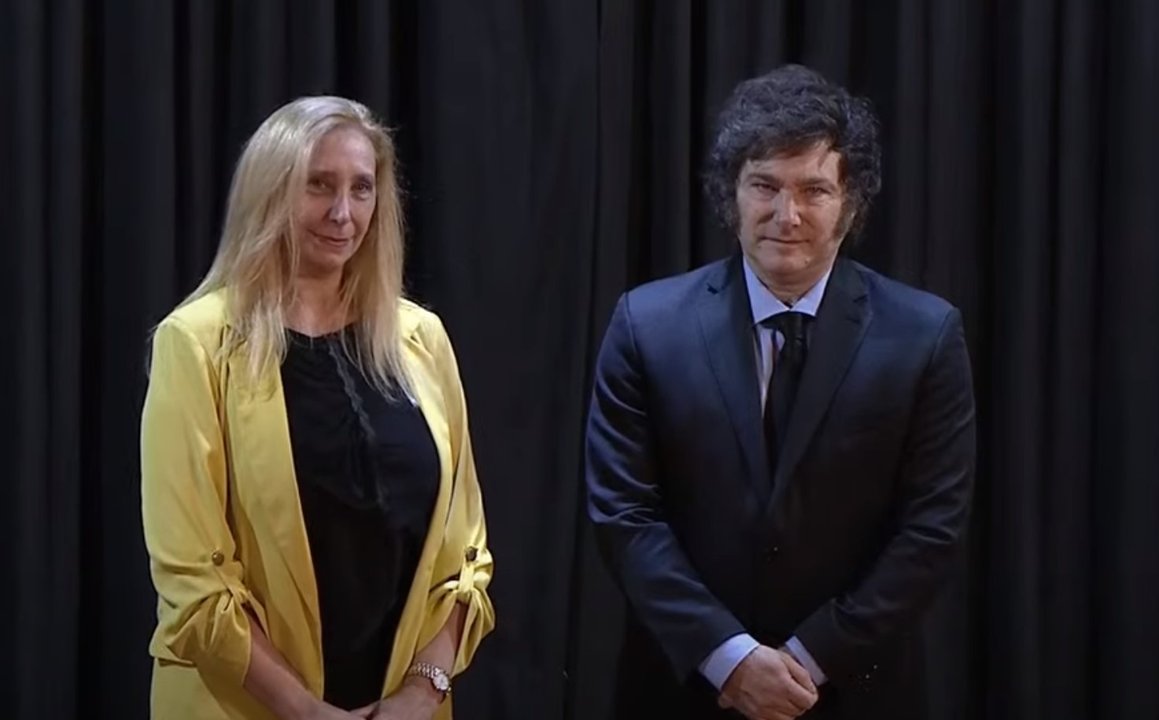
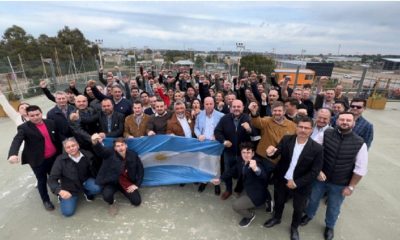
Con el objetivo claro de arrebatarle el año que viene a Axel Kicillof la provincia de Buenos Aires, Karina Milei se reunió este lunes con los legisladores bonaerenses de La Libertad Avanza y comenzó a planificar la campaña, que tendrá un fuerte foco en propuestas de seguridad y reducción del gasto.
La secretaria general de la Presidencia recibió en su oficina de la Casa Rosada, primero, a los senadores del bloque y, posteriormente, a los diputados.
La funcionaria dedicó casi toda la tarde, desde las 15:00 hasta pasadas las 19:00, a conversar con los dirigentes locales, como recientemente hizo con los porteños.
Tal como había anticipado Infobae, en cada uno de los encuentros los invitados le llevaron a la funcionaria las principales ideas que tienen en carpeta, tanto los proyectos que piensan presentar en sus respectivas Cámaras, como las actividades que se están organizando para potenciar el sello en el distrito más poblado del país.
De acuerdo con lo que precisaron a este medio algunos de los presentes, durante la jornada se acordó intensificar algunas propuestas como la presentación de una ley de respeto a la propiedad privada, similar a la que se discutió -y se rechazó- en el Congreso, que incluya más facilidad para tramitar los desalojos.
Asimismo, se anticipó una iniciativa para prohibir el uso de los celulares de las cárceles por parte de los detenidos, cómo ocurre los establecimientos de gestión nacional.
También se hizo hincapié en la ya planteada eliminación del Senado provincial, para que la Legislatura pase a ser unicameral y que el dinero que se destina hoy a ese recinto sea utilizado para otros fines.
“Le entregamos a Karina una carpeta en la que figuraban todas las normas que queremos presentar y cómo está cada una de las comisiones que preside el partido. Se habló mucho de eso y del acto del jueves”, explicó uno de los legisladores que estuvo en la reunión.
Ese día, la secretaria general, en su rol de presidenta del espacio, inaugurará la Casa de La Libertad Avanza de la provincia de Buenos Aires, que estará ubicada en la avenida Caseros al 1000, en el barrio porteño de Barracas.
“Estuvimos conversando mucho sobre todo lo que se viene, la verdad que fue todo muy ameno y estuvo muy atenta la hermana del Presidente. Nos dio todo el aval para seguir trabajando”, agradeció otro dirigente.
Las autoridades nacionales agregaron posteriormente que al iniciar el encuentro la funcionaria les agradeció por la tarea “que vienen realizando para reflejar la agenda nacional a nivel provincial”.
Además, se lamentó la poca cantidad de sesiones que hubo durante este año tanto en Diputados como en el Senado, debido a la falta de consenso dentro del peronismo.
Se repasó el trabajo de la Mesa de Seguridad que impulsa La Libertad Avanza, donde se vienen trabajando proyectos como el uso de táseres por parte de las policías municipales y el reordenamiento de partidas para contar con más patrulleros provinciales.
También se habló de la situación de IOMA, a partir de un proyecto que están trabajando las dos cámaras, y se abordó la reforma electoral y los distintos escenarios que se están evaluando.
En los cuarteles libertarios dan por descontado que en el 2027 Kicillof competirá por la Presidencia, ya que no puede volver a presentarse para un tercer mandato en Buenos Aires.
Es por este motivo que el equipo que trabaja en la provincia lo hace consciente de que no conoce a quien va a ser el rival, aunque con la premisa de que podría ser una figura fuerte del peronismo, si es que la oposición consigue superar sus diferencias y terminar con la interna.
Por su parte, antes de comenzar a definir a los candidatos y sus lugares en las listas, Karina Milei quiere conseguir que el sello recupere el protagonismo en la discusión política de cara aL 2027.
Del encuentro en Casa Rosada finalmente no participó por cuestiones de agenda el jefe de Gabinete, Diego Santilli, que hoy aparece como el dirigente con más chances de competir por ese rol.
Si termina siendo el elegido, “El Colo“ no solo tendrá el apoyo interno, sino también el de los aliados del PRO, partido del que nunca se fue, a pesar de haber asumido el cargo en el Poder Ejecutivo.
El actual ministro coordinador es amigo de Cristian Ritondo, principal referente en territorio bonaerense de la fuerza política fundada por Mauricio Macri.
De hecho, el diputado amarillo retomó recientemente el diálogo con su par libertario, Sebastián Pareja -que sí dio el presente en el encuentro con legisladores-, para empezar a coordinar la campaña del año que viene.
Incluso, los dos conversaron la semana pasada y, al finalizar las reuniones en Balcarce 50, tenían previsto volver a verse para analizar la situación general en la provincia.
”La idea es que entre los dos vayan viendo qué candidatos tenemos en cada lado, porque son 135 distritos para llenar. Obviamente, nosotros vamos a defender a los intendentes que ya tenemos, para que reelijan”, argumentó una fuente del PRO cercana a Ritondo.










 Destacado3 años hace

 Destacado3 años hace