

General
Why Monero Wallets Matter: a Practical Look at XMR and Real Privacy

Whoa! Privacy in crypto still surprises people. Really. Most folks assume Bitcoin equals anonymity. Nope. That’s a first impression that sticks—until you dig a little deeper. My instinct said the same thing years ago. Then I watched chain-analysis firms pop up like weeds and realized somethin’ fundamental: if your goal is true transactional privacy, you need tech built for that purpose, not afterthoughts bolted on.
Here’s the thing. Monero (XMR) isn’t just “another coin.” It’s designed around untraceability. Short story: ring signatures, stealth addresses, and RingCT work together to obscure who paid whom, and how much. Those are the headline features. But the reality is messier. On one hand, the protocol gives users strong privacy by default. On the other hand, user behavior and poor wallet hygiene can erode that privacy fast. Hmm… that’s the tension.
Okay, so check this out—this article isn’t a how-to manual for illicit behavior. Not at all. I’m writing for people who care deeply about personal privacy: journalists, activists, and everyday users who simply don’t want financial history catalogued forever. I’m biased, but I think privacy is a civil liberty. Still, there are trade-offs. Let’s walk through what a Monero wallet actually does, where it shines, and where you need to pay attention.

What a Monero Wallet Actually Does
Short answer: it stores keys and helps you build private transactions. Medium answer: a wallet keeps your private spend key and view key. The spend key authorizes moving funds. The view key lets you scan the blockchain for outputs that belong to you. Long answer: Monero’s architecture splits responsibilities so that on-chain data doesn’t reveal addresses or amounts—by default—so the wallet must manage key material carefully and craft transactions that blend into the network.
Initially I thought “if the blockchain is public, privacy is impossible.” Actually, wait—let me rephrase that. The ledger can remain public while the linkage between sender, receiver, and amount is hidden. Monero does this by obfuscating transaction graph elements, and a wallet is the tool that handles that obfuscation for you. On one hand it feels like magic. On the other, it’s engineering—complex, rigorous engineering that also depends on user choices.
Wallet types vary. There are light wallets, full-node wallets, hardware wallets, mobile wallets. Each has its pros and cons. Light wallets are easy but may expose metadata to servers if implemented poorly. Full-node wallets validate everything locally but require storage and bandwidth. Hardware wallets protect keys from compromised hosts. Pick the right trade-off for your threat model.
Common Privacy Pitfalls (and How to Avoid Them)
Seriously? Yes—people blow privacy by doing simple things. They reuse addresses, post transaction IDs publicly, or connect their wallet to sketchy services. Small mistakes leak big signals. For example, moving funds through an exchange with strict KYC ties your identity to coins. If you then spend those coins, the chain-level privacy of Monero helps, but off-chain links remain a risk.
Here’s a practical rule: treat your wallet like your diary. Private key = private life. Don’t screenshot seed phrases. Don’t paste them into random web forms. Oh, and by the way… backing up keys in multiple secure locations is fine. Writing them on paper or using a hardware device matters. I’m not a preachy person, but this part bugs me when I see people use weak PINs or save seeds in cloud notes.
On technique: avoid cross-chain patterning that leaks information. If you convert funds between Monero and other currencies, use reputable onramps that respect privacy, and ideally split funds in ways that reduce linkability. But don’t interpret that as a license to obscure illegal activity. There’s a difference between protecting privacy and facilitating crime.
When Monero Is the Right Tool
Short: when censorship or surveillance is a real risk. Medium: journalists, activists, dissidents, or anyone who lives under pervasive financial monitoring. Long: Monero is particularly valuable where transaction privacy isn’t optional—where revealing who sent money to whom can carry serious consequences. It’s also useful for everyday users who simply don’t want their purchase history harvested and monetized forever.
My recommendation? If privacy matters to you, invest time in understanding wallets and threat models. A secure Monero wallet, chosen and used correctly, dramatically reduces the surface area that trackers rely on. That said, privacy is layered. Network-level protections (VPNs, Tor) and operational discipline complement the wallet.
One practical resource I often point people to is a reliable wallet provider. For a straightforward entry and to try things out, check the monero wallet I trust for initial setups: monero wallet. Use it as a starting point, then graduate to hardware devices and full-node setups if your needs grow.
Trade-offs and Real-World Concerns
Cryptography doesn’t exist in a vacuum. The usability of privacy tech affects adoption. If wallets are clunky, people circumvent them. If nodes are hard to run, individuals rely on remote services that can leak metadata. There’s also regulatory friction. Banks and exchanges push back. On one hand, that’s understandable from a compliance point of view. Though actually, we need nuanced policy that respects privacy while combating abuse.
Long-term, the future of privacy coins depends on research and community governance. Improvements like better peer discovery, GUIs that reduce user error, and continued ring-size improvements keep Monero resilient. But it’s a community project: audits, developer funding, and thoughtful UX ultimately determine whether the technology stays practical for real people.
FAQ
Is Monero completely untraceable?
No coin is a silver bullet. Monero provides strong on-chain privacy by default, making tracing difficult with current public tools. That said, off-chain data—KYC, exchange records, or sloppy OPSEC—can still link identities to transactions. Privacy is a system, not a single product.
Can I use a Monero wallet on my phone?
Yes. There are mobile Monero wallets that are convenient for day-to-day use. But remember: phones can be compromised. For higher-risk situations, consider hardware wallets or desktop full-node setups. Balance convenience with threat model.
Are privacy coins legal?
Mostly yes, but some platforms restrict them. Laws vary by country. Using privacy tech isn’t inherently illegal in many places, but certain jurisdictions or services may limit access due to regulatory concerns. Check local laws and act accordingly.


General
Online gaming versus offline gaming which offers a better experience for Minimum Deposit Casinos
Online gaming versus offline gaming which offers a better experience for Minimum Deposit Casinos
Understanding
Minimum Deposit Casinos have gained significant popularity, particularly for players looking to explore gaming options without committing a large amount of money. These casinos allow users to start playing with a small initial deposit, often as low as five dollars. This feature attracts a diverse group of players, from novices wanting to try their luck to seasoned gamers seeking to minimize their risk. The appeal lies not only in the low entry cost but also in the generous bonuses that these platforms often offer. You can find one of the best options available at a $5 Deposit Casino, which enhances the gaming experience without breaking the bank.
These casinos are typically designed to provide a broad spectrum of games, including slots, table games, and live dealer experiences. This variety ensures that players have access to thrilling gaming experiences while adhering to their budget. Moreover, the low deposit bonus frequently associated with these casinos makes it easier for players to maximize their playtime, enhancing the overall gaming experience.
Online Gaming: Convenience and Accessibility
Online gaming presents unparalleled convenience, allowing players to enjoy their favorite casino games from the comfort of their homes or on the go. With just a smartphone or computer, players can access a wide range of games at any time, making online casinos a practical choice for many. Additionally, the competitive nature of online platforms often leads to better bonuses, promotions, and a more extensive selection of games than offline casinos can provide.
Another significant advantage of online gaming is the availability of resources and support. Many online casinos offer comprehensive tutorials, customer support, and community forums, making it easier for new players to navigate the gaming world. This educational aspect further enhances the experience, empowering players with the knowledge they need to make informed decisions.
Offline Gaming: The Traditional Experience
While online gaming has its advantages, offline gaming offers a unique and immersive experience that many players cherish. The thrill of being in a bustling casino environment, surrounded by fellow gamers and the sounds of slot machines, creates an atmosphere that online platforms can hardly replicate. For many, this social interaction is a vital part of the gaming experience, providing a sense of community and excitement.
Furthermore, offline casinos often host special events and tournaments that can enhance the gaming experience. These live events allow players to engage in friendly competition, offering a chance to win prizes while enjoying the camaraderie of fellow gamblers. The sensory experience of an offline casino, from the décor to the food and entertainment options, adds layers to the gambling experience that many players find appealing.
Regulations and Security Considerations
Both online and offline casinos are governed by strict regulations that aim to protect players and ensure fair gameplay. However, the security measures differ between the two formats. Online casinos, particularly those that focus on minimum deposits, must implement robust encryption and cybersecurity practices to safeguard players’ financial information and personal data. This focus on security is crucial, as players often share sensitive information when making deposits.
In contrast, offline casinos tend to have fewer digital security concerns, but they must comply with local gaming laws and regulations. Players may feel more secure in a physical location where they can directly interact with staff and see operations in real time. Understanding these regulatory environments is essential for players to ensure a safe and enjoyable gaming experience, whether online or offline.

Exploring the Best
For players seeking the ideal gaming experience, our site provides thorough reviews and comparisons of the best Minimum Deposit Casino options available. By focusing on legal regulations, security features, and the variety of games available, we help players find a platform that suits their needs. This commitment ensures that players can engage with confidence, knowing they are accessing reputable casinos that adhere to industry standards.
Moreover, we highlight exciting bonuses, such as Minimum Deposit Bonus offers and free spins, which are essential for maximizing your gaming potential. Whether you prefer online or offline gaming, our insights and recommendations equip you to make informed decisions and enhance your overall gaming experience. Explore the world of casinos with us today and discover your next favorite gaming destination.





-
Política Bahía7 años hace
Meneses: “Somos el gobierno que más obras ha hecho”
-
Destacado3 años hace
“Nos robaron hasta el 25 de mayo”, sostuvo Uset y apuntó contra el Gobierno Nacional
-

 Destacado3 años hace
El Liberalismo se alista con presencia plena en los 22 distritos de la sección
-
 General6 años hace
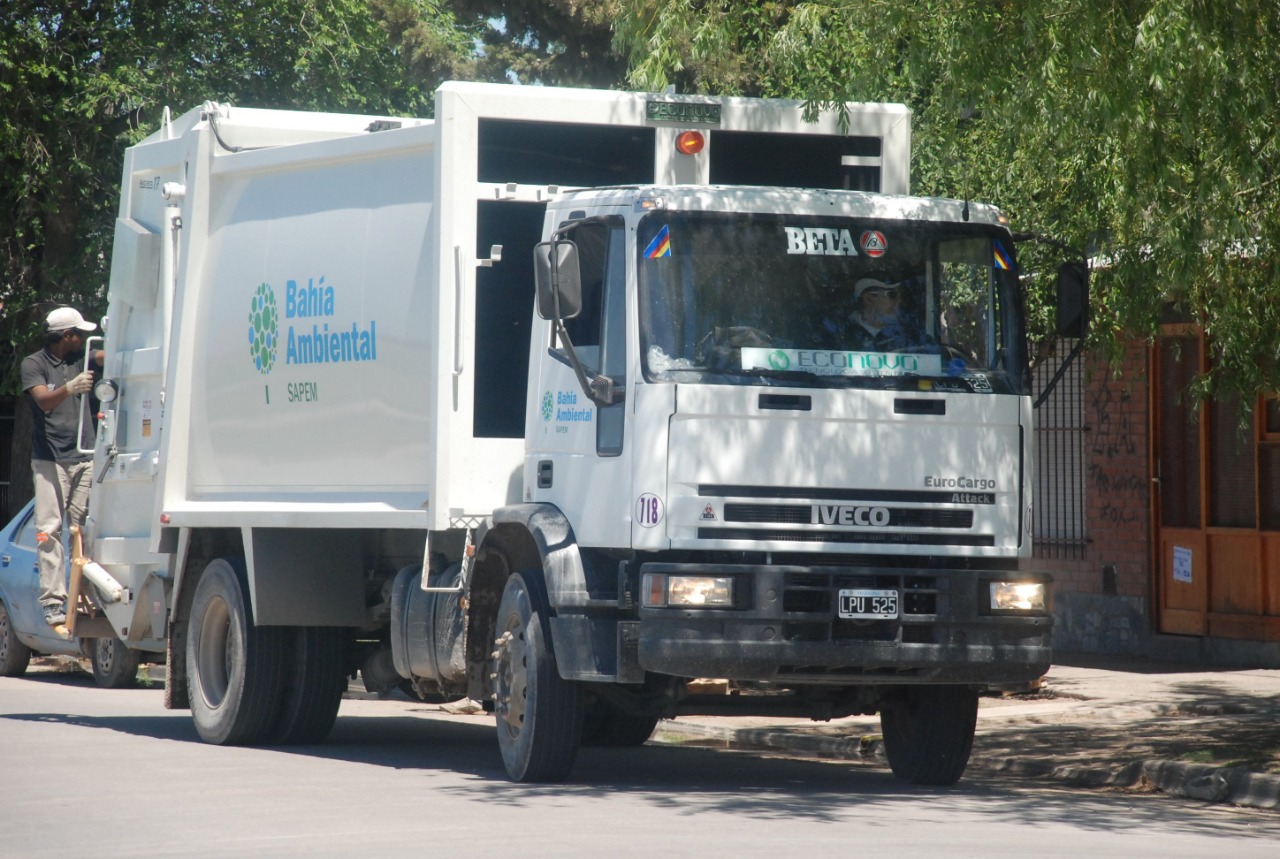
Por dónde y qué días pasan los camiones recolectores de basura
-

 Destacado3 años hace
El gobernador se reunió con Osvaldo Barcelona, presidente de Metrogas
-
Destacado3 años hace
Javier Milei confirmó quien será su compañera de fórmula: “Es brillante”
-
Política Bahía6 años hace
Sistema de Estacionamiento Medido y Pago
-
Coronavirus6 años hace
Horarios y recorridos del transporte público de pasajeros en Bahía