
General
Why Privacy Wallets Matter: Choosing the Right Multi-Currency Wallet for Monero, Bitcoin, and More

Whoa! This is one of those topics that gets me fired up fast. My first impression was simple: privacy is non-negotiable. But then I dove into the messy real world of wallets and found a lot of nuance, and somethin’ felt off about blanket statements.
Okay, so check this out—wallets promise convenience and safety. Yet many trade privacy for user-friendliness. I used to default to the easiest app. Initially I thought that was fine, but then realized the way seeds, change addresses, and chain analytics work means “easy” often leaks data. Actually, wait—let me rephrase that: convenience frequently creates metadata trails that undermine true confidentiality.
Here’s the thing. Privacy isn’t just about hiding balances. It’s about controlling who can connect the dots. Short transactions can reveal long stories. On one hand, a bright UX helps adoption; though actually, the tradeoff is often traceability and single-point-of-failure backups.

What I look for in a privacy-first multi-currency wallet
Simple list first. Seed management that you can verify offline. Local-only keys. Auditable open-source code. Monero support with native ring signatures. Coin control and coinjoin / coin-swap options for Bitcoin. Multi-account separation so you don’t mix identities. Reasonable defaults that favor privacy, not convenience.
Let me be blunt. Many wallets tuck critical options away behind advanced menus. That bugs me. I want defaults that protect new users without forcing every person to become a crypto privacy nerd.
Seriously? Yes. Because most people won’t change defaults. My instinct said that developers should bake privacy into defaults, not make it a toggle hidden three menus deep. On the other hand, usability still matters or folks abandon wallets entirely. So there is a tension—real and practical.
When I evaluated wallets, I tested two things simultaneously: attack surface and recovery stories. The attack surface means: how many ways can data leak? Recovery story means: can you restore without re-exposing yourself later? They both matter equally. If your backup method forces you to post a transaction exposing your seed, the backup is pointless.
Monero vs Bitcoin: different beasts, same principle
Monero is built for privacy at the protocol level. That buys you strong default privacy: ring signatures, stealth addresses, and confidential transactions. Bitcoin doesn’t offer those primitives natively, so wallets need to add layers—coinjoins, tumblers, or lightning network tricks—to approach similar privacy.
Short version: with Monero you get more privacy out of the box. With Bitcoin you get privacy by design choices and coordination. Medium effort can yield decent privacy. Larger effort yields much better privacy, though it gets complicated fast.
I’ll be honest: maintaining Bitcoin privacy feels like gardening. You prune, you plan, and you constantly avoid bad habits. For Monero it’s more like installing blinds—less fiddling afterwards.
Practical tips from real usage
Use separate wallets for different identities. Not always possible, but try. Small recurring transactions look different than one-off lump sums. Coin control avoids accidental address reuse. Hardware wallets reduce key-exposure risk. If you combine custodial services with private coins, expect reduced privacy. I’m biased, but I prefer owning keys and learning a little extra.
Also—check the network activity. If your wallet hits many external servers to fetch data, that could reveal IP-level connections. Run your own node if you can. If not, use Tor or an encoded proxy. These are small steps with big gains.
Some wallets make mixing seamless. Some don’t. The nuance matters: an automated mixer may improve privacy, though if poorly implemented it could centralize risk. So always inspect the project, community, and code where possible.
One practical pick: if you want a multi-currency experience with privacy-minded features and a straightforward mobile app, consider checking out cake wallet. I tried it casually, and the flow for Monero felt notably smoother than many competitors. That said, every app has tradeoffs, so test in low-stakes settings first.
Threat model thinking
Think about who you worry about. Casual snoopers? Chain analysts? State-level actors? Your wallet choices change depending on the adversary. For casual snoopers, simple best practices are enough. For determined analysts, you need stronger protocol-level privacy and strict operational security.
Here’s a quick breakdown: use Monero and local nodes for high privacy. Use Bitcoin with coin control, coinjoin, and Tor for medium-high privacy. Hardware keys + air-gapped signing are great when physical compromise is possible. And remember: metadata leaks from off-chain services (exchanges, KYC providers) can undo on-chain privacy gains.
Hmm… sometimes people forget that backups are an attack vector. Store seeds offline. Duplicate them in secure, geographically separated locations if needed. Use passphrase encryption when you can—it’s not invincible, but it raises the bar significantly.
Common questions about privacy wallets
Is Monero always private?
Mostly yes, by design, but operational mistakes can leak info. Spending from an address that was exposed off-chain, or broadcasting transactions from the same IP repeatedly without Tor, can weaken privacy. So protocol-level privacy helps, but it isn’t a silver bullet if your behaviors give hints away.
Can Bitcoin be private too?
Yes. With disciplined habits, hardware wallet usage, coin control, and privacy-enhancing services you can achieve meaningful privacy. It takes more coordination compared to Monero, though. For many people the hybrid approach—Monero for sensitive transfers and Bitcoin for longer-term stores—works well.
Which wallet should I pick as a beginner?
Start by prioritizing wallets that are open-source, have an active community, and offer privacy-friendly defaults. Try small transfers first. If you want a mobile option that supports Monero and common coins, look into apps like cake wallet and compare them against hardware-plus-software setups. I’m not 100% sure about your exact needs, but that pathway reduces risk while you learn.
Wrapping up (but not finishing)—I came in skeptical and left with a clearer map. Some wallets are good for convenience. Others are built for privacy. Choose based on your threat model, and practice safe habits. There will always be tradeoffs; accept them consciously. My last note: don’t rush. Test small, learn, and adjust. You’ll thank yourself later, even if the road is a little bumpy.











-
Política Bahía7 años hace
Meneses: “Somos el gobierno que más obras ha hecho”
-
Destacado3 años hace
“Nos robaron hasta el 25 de mayo”, sostuvo Uset y apuntó contra el Gobierno Nacional
-

 Destacado3 años hace
El Liberalismo se alista con presencia plena en los 22 distritos de la sección
-
 General7 años hace
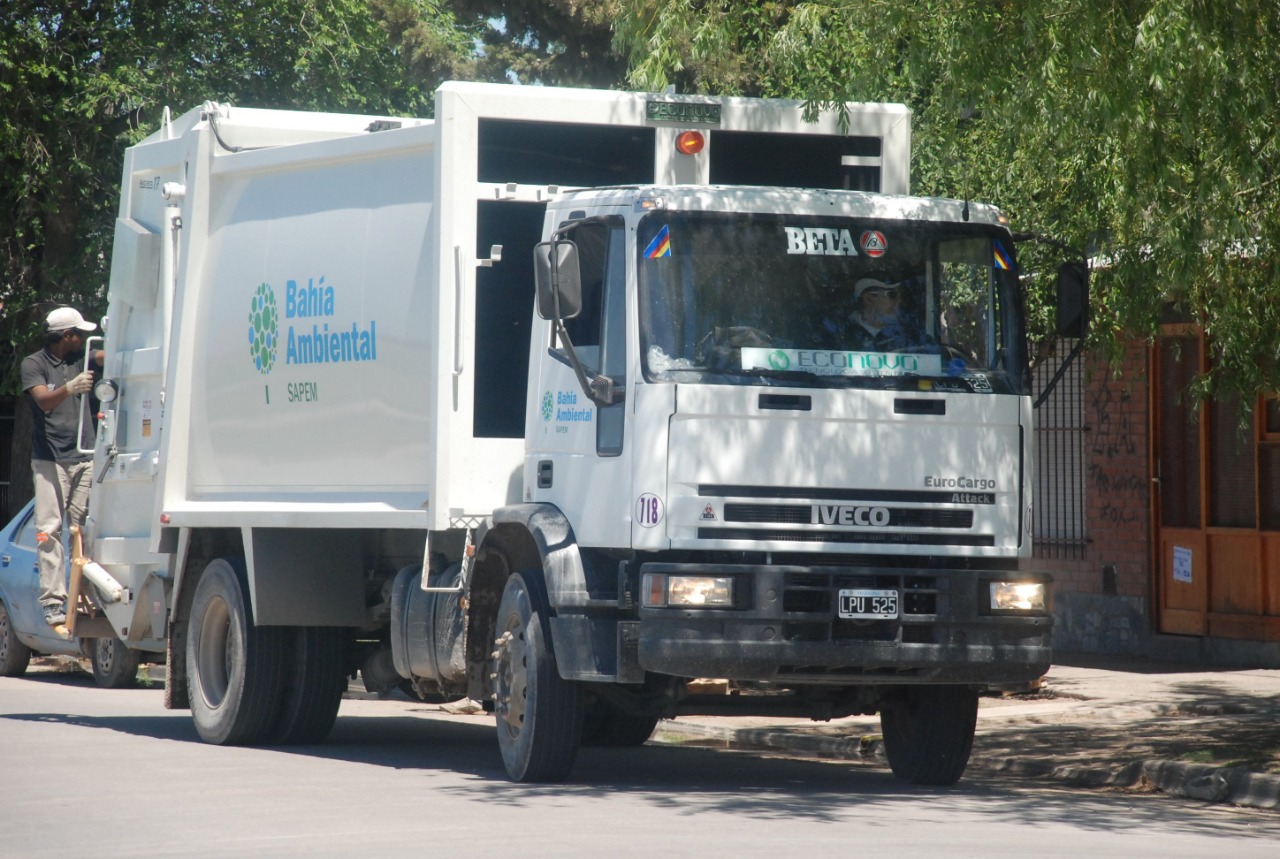
Por dónde y qué días pasan los camiones recolectores de basura
-

 Destacado3 años hace
El gobernador se reunió con Osvaldo Barcelona, presidente de Metrogas
-
General7 años hace
Envían al Concejo Deliberante un proyecto para liberar la primera hora de parquímetro
-
Política Bahía6 años hace
Sistema de Estacionamiento Medido y Pago
-
Destacado3 años hace
Javier Milei confirmó quien será su compañera de fórmula: “Es brillante”