
General
Why Monero Wallets Matter: a Practical Look at XMR and Real Privacy

Whoa! Privacy in crypto still surprises people. Really. Most folks assume Bitcoin equals anonymity. Nope. That’s a first impression that sticks—until you dig a little deeper. My instinct said the same thing years ago. Then I watched chain-analysis firms pop up like weeds and realized somethin’ fundamental: if your goal is true transactional privacy, you need tech built for that purpose, not afterthoughts bolted on.
Here’s the thing. Monero (XMR) isn’t just “another coin.” It’s designed around untraceability. Short story: ring signatures, stealth addresses, and RingCT work together to obscure who paid whom, and how much. Those are the headline features. But the reality is messier. On one hand, the protocol gives users strong privacy by default. On the other hand, user behavior and poor wallet hygiene can erode that privacy fast. Hmm… that’s the tension.
Okay, so check this out—this article isn’t a how-to manual for illicit behavior. Not at all. I’m writing for people who care deeply about personal privacy: journalists, activists, and everyday users who simply don’t want financial history catalogued forever. I’m biased, but I think privacy is a civil liberty. Still, there are trade-offs. Let’s walk through what a Monero wallet actually does, where it shines, and where you need to pay attention.

What a Monero Wallet Actually Does
Short answer: it stores keys and helps you build private transactions. Medium answer: a wallet keeps your private spend key and view key. The spend key authorizes moving funds. The view key lets you scan the blockchain for outputs that belong to you. Long answer: Monero’s architecture splits responsibilities so that on-chain data doesn’t reveal addresses or amounts—by default—so the wallet must manage key material carefully and craft transactions that blend into the network.
Initially I thought “if the blockchain is public, privacy is impossible.” Actually, wait—let me rephrase that. The ledger can remain public while the linkage between sender, receiver, and amount is hidden. Monero does this by obfuscating transaction graph elements, and a wallet is the tool that handles that obfuscation for you. On one hand it feels like magic. On the other, it’s engineering—complex, rigorous engineering that also depends on user choices.
Wallet types vary. There are light wallets, full-node wallets, hardware wallets, mobile wallets. Each has its pros and cons. Light wallets are easy but may expose metadata to servers if implemented poorly. Full-node wallets validate everything locally but require storage and bandwidth. Hardware wallets protect keys from compromised hosts. Pick the right trade-off for your threat model.
Common Privacy Pitfalls (and How to Avoid Them)
Seriously? Yes—people blow privacy by doing simple things. They reuse addresses, post transaction IDs publicly, or connect their wallet to sketchy services. Small mistakes leak big signals. For example, moving funds through an exchange with strict KYC ties your identity to coins. If you then spend those coins, the chain-level privacy of Monero helps, but off-chain links remain a risk.
Here’s a practical rule: treat your wallet like your diary. Private key = private life. Don’t screenshot seed phrases. Don’t paste them into random web forms. Oh, and by the way… backing up keys in multiple secure locations is fine. Writing them on paper or using a hardware device matters. I’m not a preachy person, but this part bugs me when I see people use weak PINs or save seeds in cloud notes.
On technique: avoid cross-chain patterning that leaks information. If you convert funds between Monero and other currencies, use reputable onramps that respect privacy, and ideally split funds in ways that reduce linkability. But don’t interpret that as a license to obscure illegal activity. There’s a difference between protecting privacy and facilitating crime.
When Monero Is the Right Tool
Short: when censorship or surveillance is a real risk. Medium: journalists, activists, dissidents, or anyone who lives under pervasive financial monitoring. Long: Monero is particularly valuable where transaction privacy isn’t optional—where revealing who sent money to whom can carry serious consequences. It’s also useful for everyday users who simply don’t want their purchase history harvested and monetized forever.
My recommendation? If privacy matters to you, invest time in understanding wallets and threat models. A secure Monero wallet, chosen and used correctly, dramatically reduces the surface area that trackers rely on. That said, privacy is layered. Network-level protections (VPNs, Tor) and operational discipline complement the wallet.
One practical resource I often point people to is a reliable wallet provider. For a straightforward entry and to try things out, check the monero wallet I trust for initial setups: monero wallet. Use it as a starting point, then graduate to hardware devices and full-node setups if your needs grow.
Trade-offs and Real-World Concerns
Cryptography doesn’t exist in a vacuum. The usability of privacy tech affects adoption. If wallets are clunky, people circumvent them. If nodes are hard to run, individuals rely on remote services that can leak metadata. There’s also regulatory friction. Banks and exchanges push back. On one hand, that’s understandable from a compliance point of view. Though actually, we need nuanced policy that respects privacy while combating abuse.
Long-term, the future of privacy coins depends on research and community governance. Improvements like better peer discovery, GUIs that reduce user error, and continued ring-size improvements keep Monero resilient. But it’s a community project: audits, developer funding, and thoughtful UX ultimately determine whether the technology stays practical for real people.
FAQ
Is Monero completely untraceable?
No coin is a silver bullet. Monero provides strong on-chain privacy by default, making tracing difficult with current public tools. That said, off-chain data—KYC, exchange records, or sloppy OPSEC—can still link identities to transactions. Privacy is a system, not a single product.
Can I use a Monero wallet on my phone?
Yes. There are mobile Monero wallets that are convenient for day-to-day use. But remember: phones can be compromised. For higher-risk situations, consider hardware wallets or desktop full-node setups. Balance convenience with threat model.
Are privacy coins legal?
Mostly yes, but some platforms restrict them. Laws vary by country. Using privacy tech isn’t inherently illegal in many places, but certain jurisdictions or services may limit access due to regulatory concerns. Check local laws and act accordingly.










-
Política Bahía7 años hace
Meneses: “Somos el gobierno que más obras ha hecho”
-
Destacado3 años hace
“Nos robaron hasta el 25 de mayo”, sostuvo Uset y apuntó contra el Gobierno Nacional
-

 Destacado3 años hace
El Liberalismo se alista con presencia plena en los 22 distritos de la sección
-
 General7 años hace
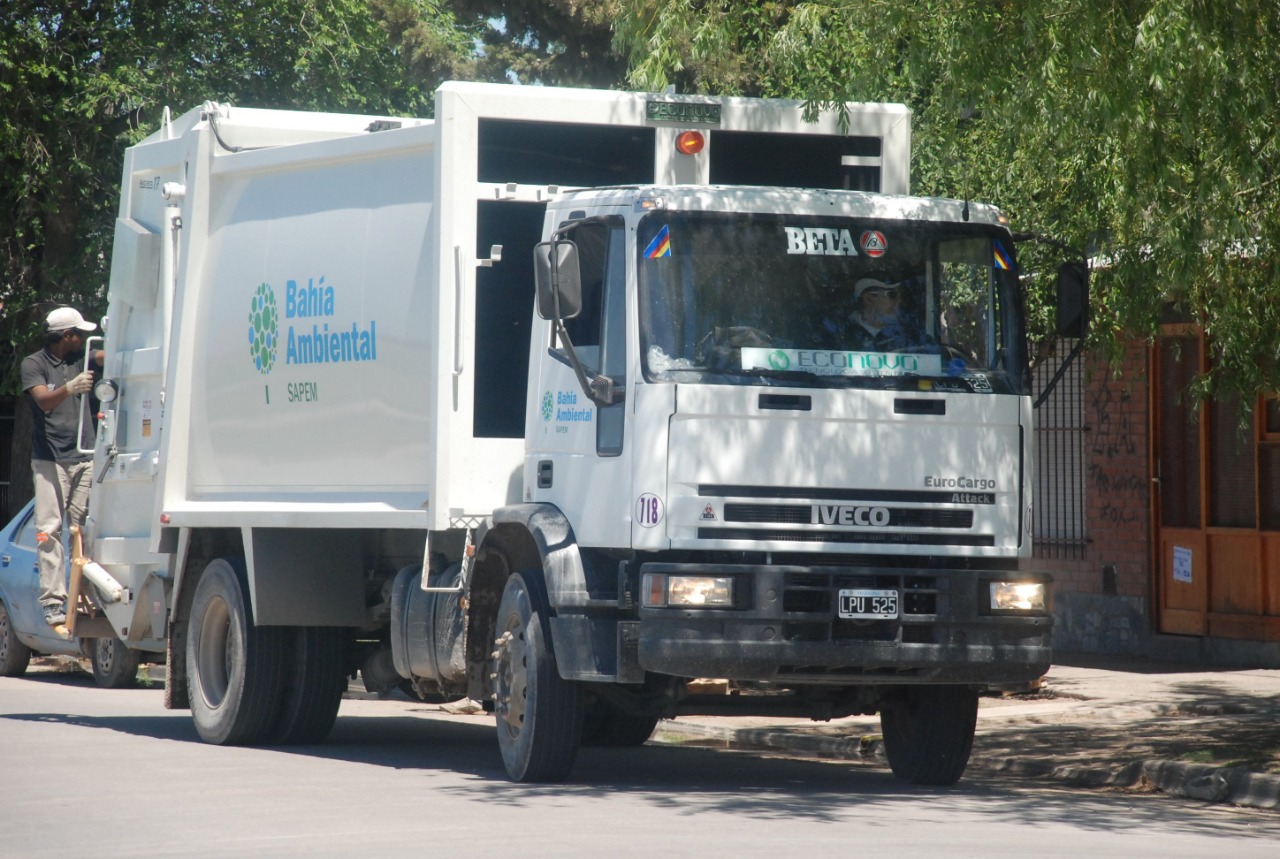
Por dónde y qué días pasan los camiones recolectores de basura
-

 Destacado3 años hace
El gobernador se reunió con Osvaldo Barcelona, presidente de Metrogas
-
General7 años hace
Envían al Concejo Deliberante un proyecto para liberar la primera hora de parquímetro
-
Política Bahía6 años hace
Sistema de Estacionamiento Medido y Pago
-
Destacado3 años hace
Javier Milei confirmó quien será su compañera de fórmula: “Es brillante”