

General
How I Learned to Manage NFTs, Track Transactions, and Use DeFi on Solana Without Losing My Mind

Whoa! I know that sounds dramatic. Really. But managing a growing NFT collection while juggling transaction history and DeFi positions on Solana can feel like herding cats. My instinct said “keep it simple,” and at first I did. Initially I thought a single wallet and a spreadsheet would do the trick, but then reality punched a hole in that plan—slowly, then all at once. The lesson landed hard: you need tools that fit the chain, not kludges that pretend they do.
Serious question: how many of us have wallet addresses littered across the web like confetti? Hmm… a lot. I’m guilty too. I started with a hardware wallet for long-term hodl, a hot wallet for daily swaps, and then a specialty wallet for staking and NFTs. It was messy. On one hand having separate accounts reduced blast radius if something went wrong. Though actually, the bookkeeping nightmare was very very real. My wallet UX expectations changed as I learned which protocols expose clear transaction histories, which don’t, and why gasless transfers still leave trails you care about.
Here’s what bugs me about most guides: they treat NFTs like collectible tchotchkes and ignore the plumbing—transaction provenance, royalties, on-chain metadata updates, and how DeFi interactions can bloat histories and confuse NFT provenance. Okay, so check this out—if you’re moving NFTs between custodial services, bridging, or using them as collateral, every step creates a chain of events that matters later when you want to prove ownership, track royalties, or audit a trade. I found that somethin’ as small as a metadata update can change how marketplaces display an asset. Frustrating, because sometimes the marketplace is right, and sometimes it’s not…

Practical workflow I use (and why)
First, pick a focused wallet that supports Solana-native features well and that you actually enjoy using. I’ll be honest—UX matters. If a wallet makes you anxious, you’ll make mistakes. For me that meant favoring wallets that make staking visible, show token and NFT balances clearly, and surface recent transactions without obscure error codes. I settled on a tool that sits nicely between hot-wallet convenience and clear staking/DeFi visibility: the solflare wallet—it earned a spot in my day-to-day because it ties staking and token management together in a way that makes sense when you need both speed and clarity.
Initially I thought wallet choice was just about security. But then I realized UX determines behavior—if the wallet obscures recent transactions, you’re more likely to make duplicates or miss pending approvals. On the other hand, a well-designed UI can make reconciling NFT transfers with marketplace events almost painless. Something felt off about relying on raw RPC calls for routine checks; you need an interface that maps wallet events to marketplace state, and that surfaces failed transactions with context.
Next, use a transaction tracker that understands Solana’s quirks. Off-chain explorers are fine, but they sometimes normalize data in ways that hide nuances—like token mint updates or inner instruction details. When I audit an NFT transfer, I look for the mint address, the token account changes, and any invoked programs. That explains royalties, and why a transfer appears in some places but not others. Also—save your receipts. Screenshots help. Notes help. I even keep a small CSV log for major moves…yes, it’s low-tech, but it’s saved me more than once.
DeFi interactions deserve a separate strategy. Don’t mix liquidity provisioning, leveraged positions, and NFT custody in the same hot wallet unless you accept risk. Seriously? Yes. Because a single compromised key can drain both your LP tokens and your prized collectibles in one sweep. For DeFi work consider a compartmentalized approach: one wallet for active positions, another for long-term staking, and a clean cold-wallet for reserves. This is boring advice, but practical—compartmentalization reduces surprise dependencies and makes transaction history easier to audit later, especially when you need to trace a yield farm’s rewards vs. principal.
On-chain data can be messy. Something that helped me: learn to read inner instructions and program logs. At first I skimmed them. Then I started checking logs after failed swaps and found the hidden reasons—slippage settings, insufficient compute limits, or program-specific constraints. On one hand this felt nerdy. On the other hand it prevented repeated mistakes. If you’re not into digging, find a wallet or explorer that surfaces these details for you.
NFT-specific tips that actually work
Track the mint. Always. The mint address is the single source of truth for an NFT’s lineage. Marketplaces may relist or re-wrap things, and without the mint you’ll be chasing shadows. Also, monitor metadata updates. Some projects allow mutable metadata; collectors sometimes don’t realize that a metadata change can alter what buyers see and how royalties are applied. Keep a snapshot of the metadata at acquisition—your future self will thank you.
Use approved marketplaces and verify signatures when possible. I’m biased, but marketplace reputation matters. That doesn’t guarantee safety, but it reduces likelihood of shenanigans. If a marketplace has weird off-chain metadata handling, be cautious. And when bridging NFTs or using them as collateral in lending protocols, test with low-value assets first. Sounds obvious, but people skip the test transaction and then curse—I’ve double-checked that so often.
Finally, understand royalty flows. Royalties on Solana can be enforced at the program level or rely on marketplace compliance. That difference affects whether creators keep getting a cut after a transfer to a noncompliant marketplace. If royalties matter to you (and they probably do to artists), track the program-level settings and any marketplace overrides. This is where transaction history and program logs become very very important.
FAQ
How do I reconcile wallet history with marketplace events?
Start with the mint address and match transfers to marketplace sale transactions. Look at buyer/seller token accounts, and then inspect inner instructions to confirm royalty distribution and program IDs. If timestamps don’t line up, check pending transactions and reorgs. Oh, and by the way—screenshots and CSV notes are underrated.
Can I use one wallet for everything safely?
Short answer: not recommended. Long answer: use compartmentalization. Keep a cold-wallet for long-term holdings, a day-wallet for swaps and active DeFi, and a separate wallet for staking/NFT minting. That reduces blast radius and makes auditing easier. I’m not 100% sure there’s a one-size-fits-all, but this works for most hobbyists and serious collectors alike.








-
Política Bahía7 años hace
Meneses: “Somos el gobierno que más obras ha hecho”
-
Destacado3 años hace
“Nos robaron hasta el 25 de mayo”, sostuvo Uset y apuntó contra el Gobierno Nacional
-
 Destacado3 años hace
El Liberalismo se alista con presencia plena en los 22 distritos de la sección
-
 General7 años hace
Por dónde y qué días pasan los camiones recolectores de basura
-

 Destacado3 años hace
El gobernador se reunió con Osvaldo Barcelona, presidente de Metrogas
-
General7 años hace
Envían al Concejo Deliberante un proyecto para liberar la primera hora de parquímetro
-
Política Bahía6 años hace
Sistema de Estacionamiento Medido y Pago
-
Destacado3 años hace
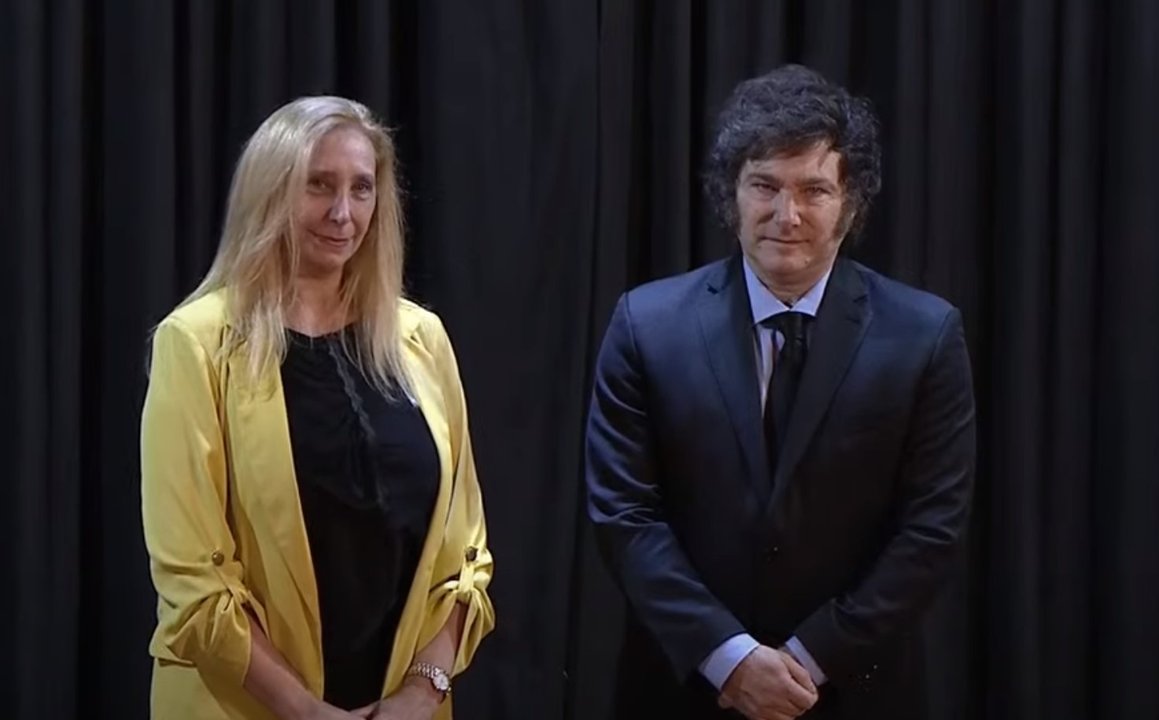
Javier Milei confirmó quien será su compañera de fórmula: “Es brillante”