

General
How I Read Solana With Solscan: Practical DeFi Analytics for Builders and Trackers

Whoa, this surprised me.
I had used Solscan before, but only casually to check transactions.
At first glance it looks like a block explorer, plain and simple.
My gut said it would be fine for basic audits, though I didn’t expect the depth of wallet analytics and DeFi tracing that comes baked in.
The UI fed me more data than I expected.
Really, that’s useful.
I clicked through a token transfer and saw tick-by-tick program interactions.
It showed not just balances but the inner instruction flows with clear program names.
At one point I traced a swap across an AMM pool, then onward into a lending protocol, and the ledger made the path obvious even when packs of transactions were batched together in single slots.
That turned a fuzzy suspicion about a flash loan sequence into actionable evidence for a post-mortem, something I usually have to assemble from five different sources.
Hmm, somethin’ felt off.
Initially I thought the metrics were sufficient for most audits.
Actually, wait—let me rephrase that: they worked for quick checks.
But when you need to follow cross-program state changes, the visualizations are where Solscan shines.
On one hand the raw RPC data is the source of truth, though on the other hand the explorer’s aggregation, annotations, and token metadata save you hours, especially when you are chasing down a token mint or verifying a program upgrade history.
Seriously, this is real.
I use it to monitor whale movements during volatile days.
And to verify if a wallet’s activity matches a claimed strategy.
Initially I thought watching a public key was a passive activity, but after I combined account snapshots with token transfers and stake history, patterns emerged that I could actually predict in the short term.
My instinct said these patterns were noise, yet when aggregated across epochs the trends held, which is exactly the kind of empirical layering you need when evaluating an on-chain fund or airdrop eligibility.

Digging deeper with Solscan
Okay, so check this out—
I often direct teammates to https://sites.google.com/walletcryptoextension.com/solscan-explore/ because it has guided examples and walkthroughs that map directly to real-world DeFi incidents.
It walks through how to interpret program logs, read CPI chains, and verify token mints without guesswork.
You can adapt those steps to instrument monitoring dashboards or build alerts that trigger on nuanced behaviors.
More practically, if you combine the explorer’s address history with your own off-chain rules and a simple scheduler, you can triage on-chain events in near-real time and reduce false positives dramatically, which helps when you are responsible for compliance or operational incident response.
Here’s the thing.
For developers Solscan acts like a debugger for on-chain state.
You can inspect accounts, program logs, and instruction lists.
Oh, and by the way, the token metadata cache beats hunting through raw mints when you need holder history fast.
When you stitch those views together—transaction timeline, token holders, program upgrade history, and liquidity pool snapshots—you begin to get a picture of intent, not just movement, which is hugely helpful when reviewing suspicious patterns or auditing DeFi strategies across forks and cluster changes.
I’m biased, but I rely on it.
It saved me during incidents that looked like bugs.
I documented one case and wrote notes for teammates so we could replay events later.
Initially I thought that relying on a third-party explorer was risky, but then I realized that Solscan’s combination of real-time RPC reads and cached enrichment strikes a pragmatic balance between immediacy and interpretability, especially for small teams without full node infrastructure.
So if you are building on Solana and want to instrument your application, or if you track tokens and need reliable snapshots to feed reporting, Solscan should be part of your toolkit and nightly workflows.
I’ll be honest.
This part bugs me when people treat explorers as final authority rather than as tools.
On one hand they’re indispensable, though you still must validate things against raw RPC traces when stakes are high.
I’m not 100% sure every edge case is covered, but for most workflows Solscan reduces friction very very significantly.
So use it, integrate its outputs into your reviews, hold your assumptions lightly, and keep iterating—because real-world DeFi changes fast and you need practice to read the chain fluently.
Frequently asked questions
What can Solscan show me that other explorers don’t?
It combines program-level instruction traces, token holder snapshots, and enriched metadata in a single view, which makes following complex DeFi flows much easier than stitching raw logs by hand.
Is Solscan reliable for audits and compliance?
Yes for most cases — it’s excellent for triage and evidence gathering — but you should supplement it with RPC checks and your own logs when you’re doing formal audits or legal compliance work.


General
Online gaming versus offline gaming which offers a better experience for Minimum Deposit Casinos
Online gaming versus offline gaming which offers a better experience for Minimum Deposit Casinos
Understanding
Minimum Deposit Casinos have gained significant popularity, particularly for players looking to explore gaming options without committing a large amount of money. These casinos allow users to start playing with a small initial deposit, often as low as five dollars. This feature attracts a diverse group of players, from novices wanting to try their luck to seasoned gamers seeking to minimize their risk. The appeal lies not only in the low entry cost but also in the generous bonuses that these platforms often offer. You can find one of the best options available at a $5 Deposit Casino, which enhances the gaming experience without breaking the bank.
These casinos are typically designed to provide a broad spectrum of games, including slots, table games, and live dealer experiences. This variety ensures that players have access to thrilling gaming experiences while adhering to their budget. Moreover, the low deposit bonus frequently associated with these casinos makes it easier for players to maximize their playtime, enhancing the overall gaming experience.
Online Gaming: Convenience and Accessibility
Online gaming presents unparalleled convenience, allowing players to enjoy their favorite casino games from the comfort of their homes or on the go. With just a smartphone or computer, players can access a wide range of games at any time, making online casinos a practical choice for many. Additionally, the competitive nature of online platforms often leads to better bonuses, promotions, and a more extensive selection of games than offline casinos can provide.
Another significant advantage of online gaming is the availability of resources and support. Many online casinos offer comprehensive tutorials, customer support, and community forums, making it easier for new players to navigate the gaming world. This educational aspect further enhances the experience, empowering players with the knowledge they need to make informed decisions.
Offline Gaming: The Traditional Experience
While online gaming has its advantages, offline gaming offers a unique and immersive experience that many players cherish. The thrill of being in a bustling casino environment, surrounded by fellow gamers and the sounds of slot machines, creates an atmosphere that online platforms can hardly replicate. For many, this social interaction is a vital part of the gaming experience, providing a sense of community and excitement.
Furthermore, offline casinos often host special events and tournaments that can enhance the gaming experience. These live events allow players to engage in friendly competition, offering a chance to win prizes while enjoying the camaraderie of fellow gamblers. The sensory experience of an offline casino, from the décor to the food and entertainment options, adds layers to the gambling experience that many players find appealing.
Regulations and Security Considerations
Both online and offline casinos are governed by strict regulations that aim to protect players and ensure fair gameplay. However, the security measures differ between the two formats. Online casinos, particularly those that focus on minimum deposits, must implement robust encryption and cybersecurity practices to safeguard players’ financial information and personal data. This focus on security is crucial, as players often share sensitive information when making deposits.
In contrast, offline casinos tend to have fewer digital security concerns, but they must comply with local gaming laws and regulations. Players may feel more secure in a physical location where they can directly interact with staff and see operations in real time. Understanding these regulatory environments is essential for players to ensure a safe and enjoyable gaming experience, whether online or offline.

Exploring the Best
For players seeking the ideal gaming experience, our site provides thorough reviews and comparisons of the best Minimum Deposit Casino options available. By focusing on legal regulations, security features, and the variety of games available, we help players find a platform that suits their needs. This commitment ensures that players can engage with confidence, knowing they are accessing reputable casinos that adhere to industry standards.
Moreover, we highlight exciting bonuses, such as Minimum Deposit Bonus offers and free spins, which are essential for maximizing your gaming potential. Whether you prefer online or offline gaming, our insights and recommendations equip you to make informed decisions and enhance your overall gaming experience. Explore the world of casinos with us today and discover your next favorite gaming destination.






-
Política Bahía7 años hace
Meneses: “Somos el gobierno que más obras ha hecho”
-
Destacado3 años hace
“Nos robaron hasta el 25 de mayo”, sostuvo Uset y apuntó contra el Gobierno Nacional
-

 Destacado3 años hace
El Liberalismo se alista con presencia plena en los 22 distritos de la sección
-
 General6 años hace
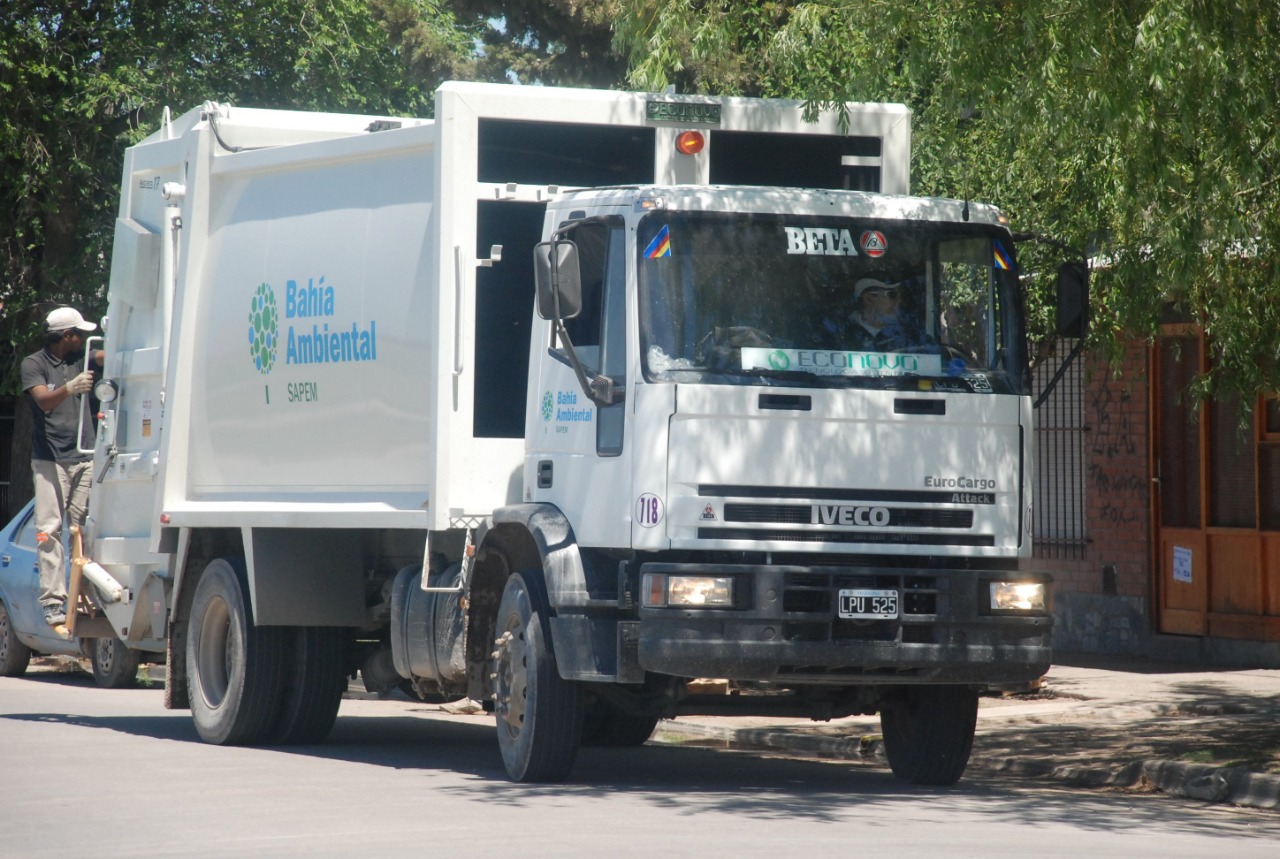
Por dónde y qué días pasan los camiones recolectores de basura
-

 Destacado3 años hace
El gobernador se reunió con Osvaldo Barcelona, presidente de Metrogas
-
Destacado3 años hace
Javier Milei confirmó quien será su compañera de fórmula: “Es brillante”
-
Política Bahía6 años hace
Sistema de Estacionamiento Medido y Pago
-
Coronavirus6 años hace
Horarios y recorridos del transporte público de pasajeros en Bahía