

General
Why your Monero wallet is the part that actually decides whether your privacy survives

Whoa! This is one of those things people glance at and then assume it’s fine. Most crypto advice talks about exchanges and keys, but the wallet — the actual client you run — is where the rubber meets the road. If your wallet leaks metadata, or you pick a sketchy remote node, your privacy shrinks fast. Hmm… somethin’ about that surprises folks every time.
Here’s the blunt truth: a private coin doesn’t magically make your transactions private if the software or operational choices around the wallet betray you. Shortcuts matter. Small details matter very very important. On one hand the protocol gives you stealth addresses and ring signatures, which are powerful tools; on the other hand, sloppy wallet configuration, third-party nodes, or insecure backups can undo all of that work. Initially you might think “I just need a wallet” but actually—wait—there’s a whole discipline to doing it right.
Seriously? Yes. Wallet choice, node selection, and backup practices combine into a real risk surface. Users often pick convenience over control. (Oh, and by the way…) convenience sometimes equals centralization, and centralization is the enemy of privacy. My instinct says treat convenience suspiciously—especially in the US where surveillance and subpoenas are part of the landscape.

Which wallet should you pick and why the GUI matters
Short answer: use official, well-audited software and verify signatures. Long answer: the Monero GUI wallet is the right balance for many users because it packages the features needed for privacy without forcing you to be a CLI ninja. The GUI exposes options like subaddresses, integrated address management, and the choice between connecting to a remote node versus running your own node. For many readers, starting with the official monero wallet is a sane move; you can find it at monero wallet and verify the releases before you install them.
Wow! Verification is not optional. Seriously—download integrity matters. If you accept a binary without checking the PGP signature or checksum, you can’t trust the client. There, I said it plainly. If that sounds tedious, you’re not alone; many skip it, but that step is where adversaries can insert backdoors or telemetry. On the technical side, the GUI talks to a daemon (monerod) to get blockchain data. Run your own daemon when possible. If you can’t, pick a trusted remote node or use a stealthy remote arrangement rather than a random public node.
Okay, so check this out — hardware wallets are a big win. Hardware devices like Ledger (with Monero support) keep your seed offline and sign transactions securely. They pair with the GUI and let you maintain a cold key while using the GUI for convenience. On the other hand, hot wallets that keep seeds on an internet-connected device increase risk. On one hand hardware is secure; on the other hand it can be lost, damaged, or misused if you don’t follow backup protocols. Balance and planning are key.
There are a few wallet hygiene rules that don’t change. Use unique strong passwords for any wallet encryption. Keep multiple secure backups of your seed phrase in separate physical locations. Prefer a metal seed backup if you live somewhere humid or in a flood risk zone (this is practical US advice). Don’t screenshot seeds or store them in cloud drives. Period.
Hmm… let’s dig into operational privacy. Short sentence. When you use a remote node you trade privacy for convenience. Medium thought now: the node you choose learns which wallet addresses you query and can correlate your IP with those queries. Longer complex thought with a subordinate clause: even though Monero’s protocol hides amounts and uses ring signatures to obscure inputs, an observant remote node operator with traffic analysis capability can still learn who is syncing what, and if you repeatedly use the same remote node, patterns emerge that can be exploited.
So what to do instead? If running a full node at home is impractical, consider one of these mitigations: use Tor or a VPN (combine with care), use ephemeral remote nodes, or pay for a trusted node service that commits to privacy. Each has trade-offs. I’m not 100% sure a VPN eliminates timing correlation, but it raises the bar for casual observers. Also—double note—Tor can leak if misconfigured, so learn the failure modes.
On transaction construction: use subaddresses and avoid address reuse. Subaddresses isolate incoming payments and make address-based linkage harder. Use payment IDs only when necessary and prefer integrated addresses for single-use payments. Also consider stealth practices like splitting and shuffling amounts when appropriate, though overdoing these can increase fees and complexity, so be pragmatic.
Really? Yup. Ring size matters too. The network enforces a minimum ring size, but selecting higher ring sizes (when possible) raises anonymity sets. That said, consensus changes and wallet defaults are the baseline for safety; don’t assume expert options are always better without understanding them. The Monero community is conservative about defaults for a reason.
Here’s what bugs me about a lot of guides: they focus on “how” and not on “why.” The why is threat modeling. Ask: who might want to de-anonymize me? Law enforcement, malicious exchanges, ISP-level observers, or a targeted attacker with long-term network access? Each adversary has different capabilities and you should tailor defenses. (A tangent: threat models evolve — in 2016 you worried less about large-scale metadata analysis; now it’s front and center.)
Operational suggestions with practical tone: limit interactions with custodial services that demand identifying info; segregate funds across wallets for different purposes; practice test transactions with small amounts before sending larger sums; avoid broadcasting identifiable metadata (like publicizing transaction details tied to your identity on social media). None of this is cinematic or glamorous but it works.
There are also device-level risks. Mobile devices are convenient but harder to secure. Desktop OS choices matter; some users opt for a dedicated, minimal OS or a live USB setup for added isolation. Hardware wallets mitigate some device risk, but of course physical security and plausible deniability matter too. Remember that a well-configured environment can still fail if your threat model includes targeted compromise.
FAQ
Do I need to run a full node to be private?
No, but it’s the gold standard. Running your own node gives you the strongest privacy guarantees because you avoid trusting third-party nodes. If running one is out of reach, use mitigations: verified remote nodes, Tor, ephemeral nodes, or paid privacy-minded services. Each reduces risk but none fully mirror the safety of a self-run node.
Is the Monero GUI safe for beginners?
Yes, the official GUI is designed to be user-friendly while exposing necessary privacy features. Always download from verified sources, check signatures, and keep software updated. Pairing the GUI with a hardware wallet is a good step for users wanting both convenience and stronger key security.


General
Online gaming versus offline gaming which offers a better experience for Minimum Deposit Casinos
Online gaming versus offline gaming which offers a better experience for Minimum Deposit Casinos
Understanding
Minimum Deposit Casinos have gained significant popularity, particularly for players looking to explore gaming options without committing a large amount of money. These casinos allow users to start playing with a small initial deposit, often as low as five dollars. This feature attracts a diverse group of players, from novices wanting to try their luck to seasoned gamers seeking to minimize their risk. The appeal lies not only in the low entry cost but also in the generous bonuses that these platforms often offer. You can find one of the best options available at a $5 Deposit Casino, which enhances the gaming experience without breaking the bank.
These casinos are typically designed to provide a broad spectrum of games, including slots, table games, and live dealer experiences. This variety ensures that players have access to thrilling gaming experiences while adhering to their budget. Moreover, the low deposit bonus frequently associated with these casinos makes it easier for players to maximize their playtime, enhancing the overall gaming experience.
Online Gaming: Convenience and Accessibility
Online gaming presents unparalleled convenience, allowing players to enjoy their favorite casino games from the comfort of their homes or on the go. With just a smartphone or computer, players can access a wide range of games at any time, making online casinos a practical choice for many. Additionally, the competitive nature of online platforms often leads to better bonuses, promotions, and a more extensive selection of games than offline casinos can provide.
Another significant advantage of online gaming is the availability of resources and support. Many online casinos offer comprehensive tutorials, customer support, and community forums, making it easier for new players to navigate the gaming world. This educational aspect further enhances the experience, empowering players with the knowledge they need to make informed decisions.
Offline Gaming: The Traditional Experience
While online gaming has its advantages, offline gaming offers a unique and immersive experience that many players cherish. The thrill of being in a bustling casino environment, surrounded by fellow gamers and the sounds of slot machines, creates an atmosphere that online platforms can hardly replicate. For many, this social interaction is a vital part of the gaming experience, providing a sense of community and excitement.
Furthermore, offline casinos often host special events and tournaments that can enhance the gaming experience. These live events allow players to engage in friendly competition, offering a chance to win prizes while enjoying the camaraderie of fellow gamblers. The sensory experience of an offline casino, from the décor to the food and entertainment options, adds layers to the gambling experience that many players find appealing.
Regulations and Security Considerations
Both online and offline casinos are governed by strict regulations that aim to protect players and ensure fair gameplay. However, the security measures differ between the two formats. Online casinos, particularly those that focus on minimum deposits, must implement robust encryption and cybersecurity practices to safeguard players’ financial information and personal data. This focus on security is crucial, as players often share sensitive information when making deposits.
In contrast, offline casinos tend to have fewer digital security concerns, but they must comply with local gaming laws and regulations. Players may feel more secure in a physical location where they can directly interact with staff and see operations in real time. Understanding these regulatory environments is essential for players to ensure a safe and enjoyable gaming experience, whether online or offline.

Exploring the Best
For players seeking the ideal gaming experience, our site provides thorough reviews and comparisons of the best Minimum Deposit Casino options available. By focusing on legal regulations, security features, and the variety of games available, we help players find a platform that suits their needs. This commitment ensures that players can engage with confidence, knowing they are accessing reputable casinos that adhere to industry standards.
Moreover, we highlight exciting bonuses, such as Minimum Deposit Bonus offers and free spins, which are essential for maximizing your gaming potential. Whether you prefer online or offline gaming, our insights and recommendations equip you to make informed decisions and enhance your overall gaming experience. Explore the world of casinos with us today and discover your next favorite gaming destination.





-
Política Bahía7 años hace
Meneses: “Somos el gobierno que más obras ha hecho”
-
Destacado3 años hace
“Nos robaron hasta el 25 de mayo”, sostuvo Uset y apuntó contra el Gobierno Nacional
-

 Destacado3 años hace
El Liberalismo se alista con presencia plena en los 22 distritos de la sección
-
 General6 años hace
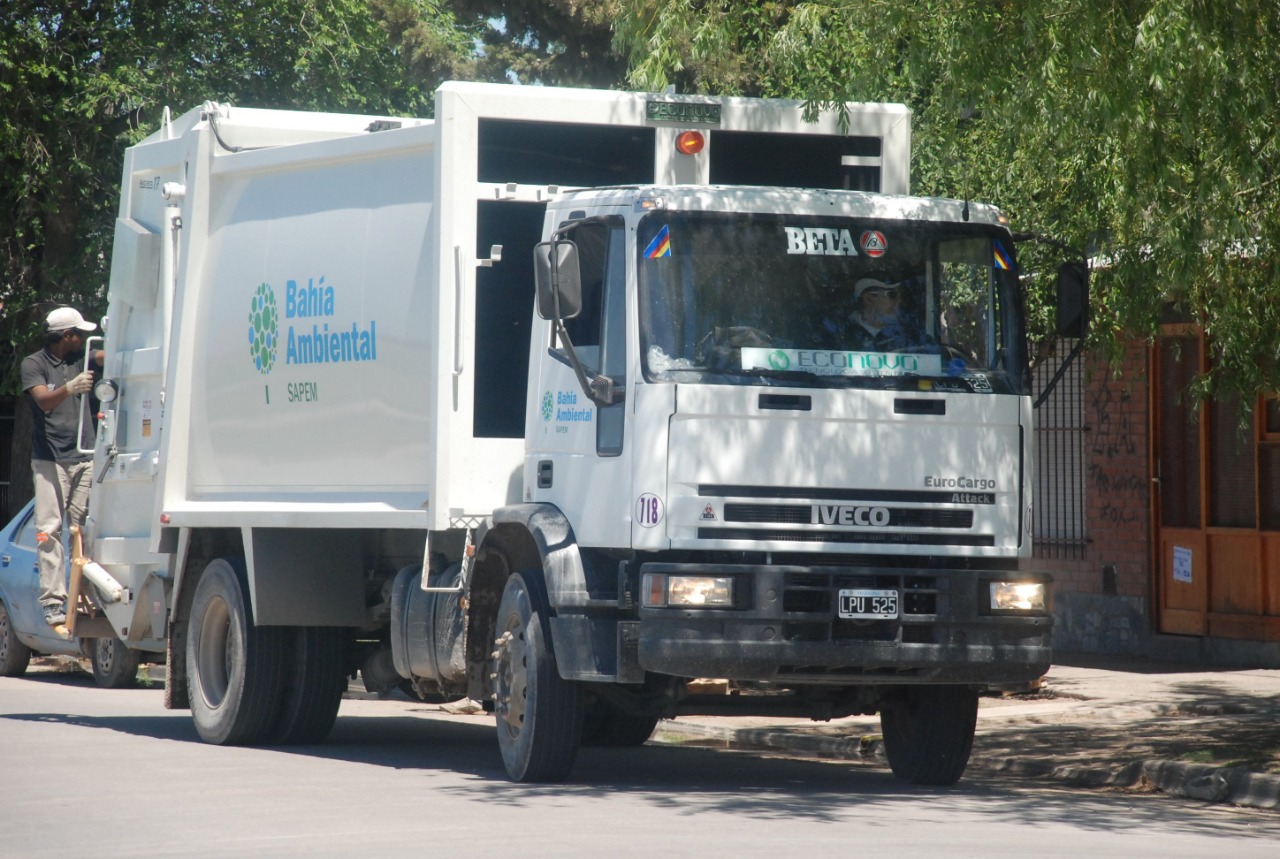
Por dónde y qué días pasan los camiones recolectores de basura
-

 Destacado3 años hace
El gobernador se reunió con Osvaldo Barcelona, presidente de Metrogas
-
Destacado3 años hace
Javier Milei confirmó quien será su compañera de fórmula: “Es brillante”
-
Política Bahía6 años hace
Sistema de Estacionamiento Medido y Pago
-
Coronavirus6 años hace
Horarios y recorridos del transporte público de pasajeros en Bahía