

General
Hvordan vinder man effektivt i gambling Tips og strategier til succes

Hvordan vinder man effektivt i gambling Tips og strategier til succes
Forståelse af spillet
At vinde i gambling kræver en grundlæggende forståelse af det spil, man deltager i. Uanset om det er poker, blackjack eller slots, er det vigtigt at kende reglerne, oddsene og strategierne, der er specifikke for hvert spil. Jo mere viden man har, desto bedre kan man træffe informerede beslutninger, hvilket kan øge chancerne for succes. Desuden giver en online casino bonus spillere mulighed for at forbedre deres bankroll og få mere værdi ud af deres spiloplevelse.
Desuden er det nyttigt at studere de forskellige varianter af hvert spil. For eksempel kan der være flere versioner af poker med forskellige regler og strategier. At forstå disse nuancer kan give spilleren en fordel i sit valg af spil og spillestil.
Udvikling af en strategi
En solid strategi er afgørende for at øge vinderchancerne. Det kan indebære at bestemme, hvor meget man vil satse, og hvornår man skal gå all in eller trække sig tilbage. At have en plan kan forhindre impulsive beslutninger, der ofte fører til tab. Derudover er det vigtigt at tilpasse sin strategi til de specifikke forhold i spillet. Dette kan inkludere at overvåge modstandernes spil og justere sin egen taktik i overensstemmelse hermed.
En dynamisk tilgang til strategien kan føre til bedre resultater. En god strategi kan også inkludere at vælge de mest fordelagtige spilmuligheder, så spilleren kan maksimere chancerne for at vinde over tid.
Kontrol over bankroll
At styre sin bankroll er en af de mest kritiske aspekter ved gambling. Det handler ikke kun om, hvor meget man vil spille for, men også om at sætte grænser for, hvor meget man er villig til at tabe. En god tommelfingerregel er at spille med penge, man har råd til at tabe. Det kan også være gavnligt at opdele sin bankroll i forskellige sektioner til forskellige spilsessioner.
Ved at gøre dette kan man undgå at tabe alt på én gang og kan bedre håndtere sine midler, hvilket kan føre til mere bæredygtig gambling over tid. Det er vigtigt at forblive disciplineret og ikke lade følelserne styre ens beslutninger, når man spiller.
Spil ansvarligt
Gambling kan være en sjov aktivitet, men det er vigtigt at spille ansvarligt. At kende sine egne grænser og anerkende tegn på problematisk spil er essentielle elementer. Mange spillere kan nemt blive fanget i spændingen, så det er vigtigt at have en strategi for at stoppe, hvis man føler, at det går over gevind. Det er også en god idé at tage pauser og ikke spille i længere tid ad gangen.
Dette kan hjælpe med at holde tankerne klare og sikre, at beslutninger træffes rationelt snarere end impulsivt. Ved at tage ansvar for sit spil kan man sikre en mere fornøjelig oplevelse og undgå negative konsekvenser.

Om hjemmesiden
Denne hjemmeside tilbyder værdifulde ressourcer og information til både nye og erfarne spillere. Den indeholder omfattende vejledninger til forskellige spil, strategier og tips til ansvarligt spil. Målet er at hjælpe spillere med at træffe informerede valg, så de kan få den bedste oplevelse ud af deres gambling.
Ved at samle nyttige oplysninger om online casinoer og spilmuligheder, er hjemmesiden en nyttig ressource for dem, der ønsker at udvide deres viden og forbedre deres chancer for succes i gambling.
Online casinoer versus fysiske casinoer Hvad er bedst for spillere
Bekvemmelighed og tilgængelighed
Online casinoer giver spillere mulighed for at spille fra komforten af deres eget hjem. Dette betyder, at man kan tilgå sine yndlingsspil når som helst på dagen, uden behov for at rejse til et fysisk sted. Denne fleksibilitet appellerer til mange spillere, der ønsker at spare tid og omkostninger ved transport, især når man overvejer nye casino sider med free spins uden indbetaling.

Fysiske casinoer tilbyder dog en helt anden oplevelse. For mange spillere er det sociale aspekt ved at besøge et casino vigtigt. At spille ved et bord med andre mennesker og nyde den livlige atmosfære kan være en stor del af fornøjelsen. Derfor vil nogle spillere foretrække det personlige miljø, som et fysisk casino kan tilbyde.
Spiludvalg og variation
Online casinoer har ofte et bredere udvalg af spil sammenlignet med fysiske casinoer. Med blot et klik kan spillere få adgang til hundredevis af spilleautomater, bordspil og live dealer spil. Dette giver en uovertruffen variation og mulighed for at finde netop det spil, der passer til ens præferencer.
I modsætning hertil kan fysiske casinoer have begrænsninger på, hvor mange spil der kan tilbydes på grund af plads og ressourcer. Selvom de ofte har populære spil og unikke bordtyper, kan det være, at man ikke finder det ønskede spil til enhver tid. Dette kan være en skuffelse for nogle spillere.
Sikkerhed og regulering
Sikkerhed er et centralt emne, når det kommer til både online og fysiske casinoer. Online casinoer er underlagt strenge reguleringer og licensering, hvilket skal sikre spillernes sikkerhed og retter. Mange online casinoer anvender også avanceret kryptering for at beskytte spillernes data og penge.
Fysiske casinoer er også reguleret, men risikoen for svindel og tyveri kan være højere. Desuden kan det være sværere at få hjælp, hvis man oplever problemer i et fysisk casino. Det er vigtigt for spillere at være opmærksomme på, hvor de spiller, og hvilke sikkerhedsforanstaltninger der er på plads.
Bonusser og incitamenter
En af de mest attraktive faktorer ved online casinoer er de mange bonusser og incitamenter, de tilbyder. Spillere kan ofte få velkomstbonuser, gratis spins og loyalitetsprogrammer, som kan øge deres spiloplevelse betydeligt. Disse bonusser kan give ekstra værdi og gøre spillet mere spændende.
Fysiske casinoer kan tilbyde belønninger som medlemsprogrammer og kommission på indsatser, men disse er ofte ikke så omfattende som de online alternativer. Spillere, der er på udkig efter maksimale fordele, kan derfor finde, at online casinoer har mere at tilbyde.

Om denne hjemmeside
Denne hjemmeside har til formål at give spillere indsigt i de forskelle og ligheder, der findes mellem online og fysiske casinoer. Vi ønsker at hjælpe spillere med at træffe informerede valg og finde det bedste spillemiljø for dem.
Vi opdaterer løbende indholdet for at sikre, at vores læsere får den mest relevante og nyttige information. Uanset om du er ny i gamblingverdenen eller en erfaren spiller, håber vi, at du finder vores ressourcer værdifulde.
Understanding the legal landscape of gambling Key factors and future trends
Historical Overview of Gambling Legislation
The legal framework governing gambling has evolved significantly over the years. Initially, many countries viewed gambling as a vice and imposed strict regulations or outright bans. However, as public attitudes shifted and the potential for economic benefits became apparent, legislation began to loosen. The establishment of regulated markets allowed governments to control and tax gambling activities while ensuring consumer protection. Today, many individuals are turning to betting sites that comply with legal standards to engage in safe gaming.

In the late 20th and early 21st centuries, major reforms occurred, particularly in places like the United States and the United Kingdom. The introduction of the Gambling Act in the UK in 2005 marked a pivotal moment, creating a comprehensive regulatory framework that addressed online betting, gaming, and lotteries, ensuring that operations were safe and fair.
Key Factors Influencing Gambling Legislation
Several factors play a crucial role in shaping gambling laws. Social attitudes towards gambling often dictate legislative changes; as more people accept gambling as a form of entertainment, lawmakers are more likely to consider reforms. Economic factors, including the potential for tax revenue and job creation, also heavily influence decisions to regulate rather than prohibit gambling.
Moreover, technological advancements have introduced new gambling formats, particularly online platforms. The rise of mobile gaming and cryptocurrency betting has led to calls for updated regulations that address these innovations while ensuring responsible gambling practices are upheld.
Challenges in Regulation
Despite advancements, significant challenges remain in the regulation of gambling. One major issue is the disparity in laws across jurisdictions, which can create confusion for players and operators alike. For instance, online gambling may be legal in one state but illegal in another, complicating enforcement and compliance.
Additionally, the proliferation of unregulated or rogue operators poses risks to consumers, including fraud and addiction. Governments face the ongoing challenge of creating legislation that is flexible enough to adapt to the rapidly changing landscape while still providing adequate protection to players.
Future Trends in Gambling Legislation
Looking ahead, several trends are expected to shape the future of gambling legislation. One prominent trend is the move toward greater online regulation as more jurisdictions recognize the need for comprehensive frameworks that address internet gaming. This could lead to standardized regulations across borders, simplifying compliance for international operators.
Another anticipated trend is the integration of technology in regulation, such as the use of AI to monitor gambling activities for signs of problem behavior. As responsible gambling becomes a focal point, legislative bodies may implement mandatory features like self-exclusion tools and real-time monitoring systems to protect vulnerable players.

Conclusion on the Legal Landscape of Gambling
The legal landscape of gambling is a complex and dynamic arena influenced by a myriad of factors, including social attitudes, economic benefits, and technological innovations. Understanding these elements is crucial for both consumers and operators as they navigate this evolving field.
As the industry continues to develop, staying informed about legal changes and emerging trends is essential for making safe and informed gambling choices. Whether you are an experienced bettor or just starting, knowledge of the legal landscape will enhance your experience and ensure compliance with regulations.
Online eller offline casino Vilket alternativ är bäst för spelare
Fördelar med online casino
Online casinon har blivit extremt populära de senaste åren, och det finns flera anledningar till detta. En av de största fördelarna är bekvämligheten. Spelare kan spela sina favoritspel när som helst och var som helst, utan att behöva resa till ett fysiskt casino. Dessutom erbjuder online casinon ofta ett bredare utbud av spel än traditionella casinon, vilket ger spelarna fler valmöjligheter, inklusive att hitta bästa casino utan svensk licens.
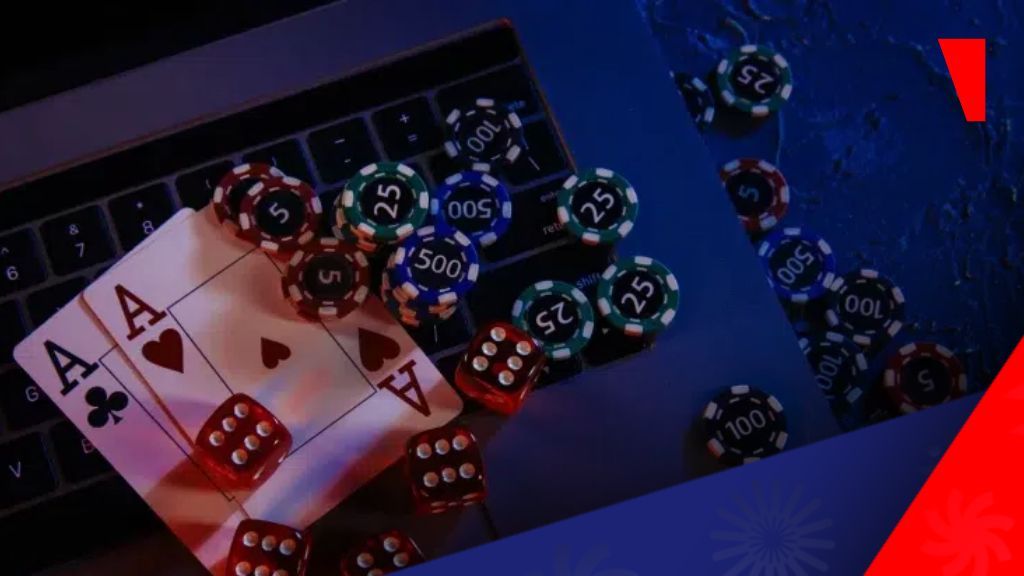
En annan stor fördel med online casinon är de bonusar och kampanjer som de erbjuder. Många online plattformar lockar nya spelare med stora välkomstbonusar och regelbundna kampanjer, vilket gör det mer ekonomiskt fördelaktigt att spela online. Genom att utnyttja dessa erbjudanden kan spelare öka sina chanser att vinna utan att behöva satsa mycket pengar.
Nackdelar med online casino
Trots sina fördelar har online casinon också sina nackdelar. En av de största nackdelarna är avsaknaden av social interaktion. Många spelare njuter av den sociala atmosfären på ett fysiskt casino, och online casinon kan ibland kännas ensamma och isolerade. Detta kan påverka den psykologiska aspekten av spelandet, där gemenskap och interaktion är viktiga faktorer för många spelare.
Det finns också en risk för spelberoende, särskilt när det gäller online spelande. Denna form av spel kan bli mer beroendeframkallande eftersom det är lättare att spela under långa perioder utan pauser. Spelare måste vara extra vaksamma när det kommer till sina spelvanor och se till att de spelar ansvarsfullt.
Fördelar med offline casino
Att spela på ett offline casino erbjuder en helt annan upplevelse än online spelande. Den fysiska närvaron av en spelmiljö kan ge en unik känsla av spänning och underhållning. Många spelare uppskattar den atmosfär som ett live casino kan erbjuda, med ljudet av spelmaskiner, människor och musik som bidrar till en festlig stämning.
Offline casinon erbjuder också olika typer av spel och aktiviteter, inklusive liveunderhållning, restauranger och barer. Detta kan göra en spelkväll till en helhetsupplevelse, där man inte bara spelar utan också njuter av mat och dryck samt social interaktion med andra besökare.
Nackdelar med offline casino
Trots att offline casinon erbjuder en unik upplevelse, har de också sina begränsningar. Resan till ett casino kan vara tidskrävande och kostsam, vilket inte alltid passar in i en hektisk livsstil. Dessutom kan utbudet av spel vara begränsat jämfört med vad som erbjuds online, vilket kan göra det svårare att hitta sina favoritspel.
Kostnaderna för att spela på ett offline casino kan också vara högre. Utöver insatser på spel kan spelare behöva betala för parkering, mat och dryck, vilket kan påverka den totala spelupplevelsen. Det är viktigt att överväga dessa faktorer när man väljer mellan online och offline spelande.

Sammanfattning och rekommendationer
Valet mellan online och offline casino beror i hög grad på individuella preferenser. Online casinon erbjuder bekvämlighet och ett stort utbud av spel, medan offline casinon ger en social och upplevelsebaserad atmosfär. För spelare som prioriterar att spela när som helst och var som helst kan online alternativet vara det bästa, medan de som uppskattar social interaktion och atmosfär kan föredra det fysiska casinot.
Oavsett vilket alternativ man väljer, är det viktigt att spela ansvarsfullt och ha roligt. Genom att vara medveten om sina spelvanor och de risker som finns, kan spelare maximera sin spelupplevelse och minimera potentiella negativa konsekvenser.






-
Política Bahía7 años hace
Meneses: “Somos el gobierno que más obras ha hecho”
-
Destacado3 años hace
“Nos robaron hasta el 25 de mayo”, sostuvo Uset y apuntó contra el Gobierno Nacional
-

 Destacado3 años hace
El Liberalismo se alista con presencia plena en los 22 distritos de la sección
-
 General6 años hace
Por dónde y qué días pasan los camiones recolectores de basura
-

 Destacado3 años hace
El gobernador se reunió con Osvaldo Barcelona, presidente de Metrogas
-

 Destacado3 años hace
Javier Milei confirmó quien será su compañera de fórmula: “Es brillante”
-
Política Bahía6 años hace
Sistema de Estacionamiento Medido y Pago
-
Coronavirus6 años hace
Horarios y recorridos del transporte público de pasajeros en Bahía