

General
Monte Hermoso: El municipio es definitivamente propietario del Centro Cultural


General
Javier Milei viajará a Oslo para participar de la entrega del Premio Nobel de la Paz a María Corina Machado


Okay, so check this out—MEV used to be a niche headache for traders and bots, but now it sits squarely in the middle of every wallet, optimizer, and protocol conversation. Seriously. People think of front-running like a market quirk, but it’s a deep structural problem that nudges users toward worse outcomes: higher slippage, failed txns, and surprise sandwiching. My instinct says this is solvable, though not with a single silver bullet.
Here’s the thing. MEV—Miner/Maximal Extractable Value—drives incentives in ways most users don’t see. And wallets are the front line. They decide how transactions get packaged, whether simulations run, who gets priority, and whether user privacy is preserved. If that layer fails, everything downstream is less safe. So let’s walk through what good MEV protection looks like, where DeFi protocols fit in, and what to look for in a Web3 wallet that actually reduces user risk.
First impressions matter. The typical user just wants their trade to execute and not cost an arm and a leg. But the underlying mechanics are messy. On one hand there’s arbitrage that increases market efficiency. On the other hand, predatory bots and extractive ordering steal value from ordinary users. Balancing those forces is the whole game.
What MEV really means for your trades
Short version: MEV is value that can be extracted by ordering, inserting, or censoring transactions. It shows up as front-running, back-running, sandwich attacks, and more exotic block-level manipulations. Longer: these are emergent behaviors from permissionless ordering combined with economic incentives. And when miners/validators or block builders can reorder txns, they can capture profit at the expense of users.
So how does that play out at the wallet level? Wallets control how a transaction is signed, when it’s broadcast, and whether it’s wrapped in privacy-preserving techniques. A naive wallet broadcasts immediately. A smarter one offers simulation, gas estimation, private relays, or MEV-aware routing. Each decision changes the attack surface.
Here’s a concrete pattern: a user submits a large swap. Front-running bots detect the pending txn in the mempool. They place orders ahead of it to push the price, then sell after the user’s transaction executes—sandwich complete. The user pays more for their swap; value leaked to bots. That’s not theoretical. It’s an everyday UX failure if your wallet doesn’t account for it.
Wallet features that materially reduce MEV risk
Not every feature is equal. Some help a lot; some are theater. If you care about real protection, prioritize these:
- Transaction simulation and slippage modeling — know the expected outcome before you sign.
- Private relays or submission through block builders that hide txns from the public mempool.
- Price-impact aware routing — route across DEXs to minimize exposure to sandwich attacks.
- Gas strategy customization — letting users choose between speed and privacy rather than defaulting to “fast.”
- Integration with MEV-resistant protocols — e.g., use of batch auctions, time-weighted execution, or proposer/builder separation when available.
Many wallets have simulation tools now, which is good. But simulation without context is limited. You want simulations that factor in slippage sensitivity, slippage tolerance, and the probability of re-orgs. That nuance matters. It’s where a wallet moves from being just an interface to being a risk manager.
Where DeFi protocols can and should help
DeFi protocols are not helpless bystanders. They can design their contracts and UX to reduce exploitable surfaces. For example, AMMs can adopt concentrated liquidity with better-or-worse UI choices; auctions can batch orders to remove mempool visibility; lending markets can build rebalancing mechanisms that are less sensitive to ordering. On top of that, integration points with wallets can expose metadata that helps wallets decide how to handle transactions.
On one hand, smart contracts are neutral pieces of code. On the other, the way they’re used determines extraction. Protocols that expect public mempool trading will be more vulnerable. Protocols that intentionally batch and schedule can reduce MEV windows. It’s not magic; it’s design trade-offs.
But there’s a catch. Improving protocol-level MEV resistance often requires trade-offs—latency for fairness, complexity for safety. So a practical approach blends protocol fixes with better wallet behavior. That combo is where users see the most tangible benefits.
What a good Web3 wallet actually does—beyond promises
A wallet that helps protect users from MEV will do three things well: it simulates accurately, it manages submission privacy, and it helps users make informed tradeoffs. For example, when a wallet offers private transaction submission, that can close the visibility window, reducing the front-running vector. When a wallet shows a realistic estimate of worst-case slippage, users can pick tolerances more wisely.
Consider wallets that integrate with block builders and private relays. They should be upfront about trade-offs: private submission can reduce exposure but may increase confirmation time or routing fees. Transparency is crucial. And hey—user control matters. Let people choose, rather than hiding defaults in “smart” mode that are actually extractive.
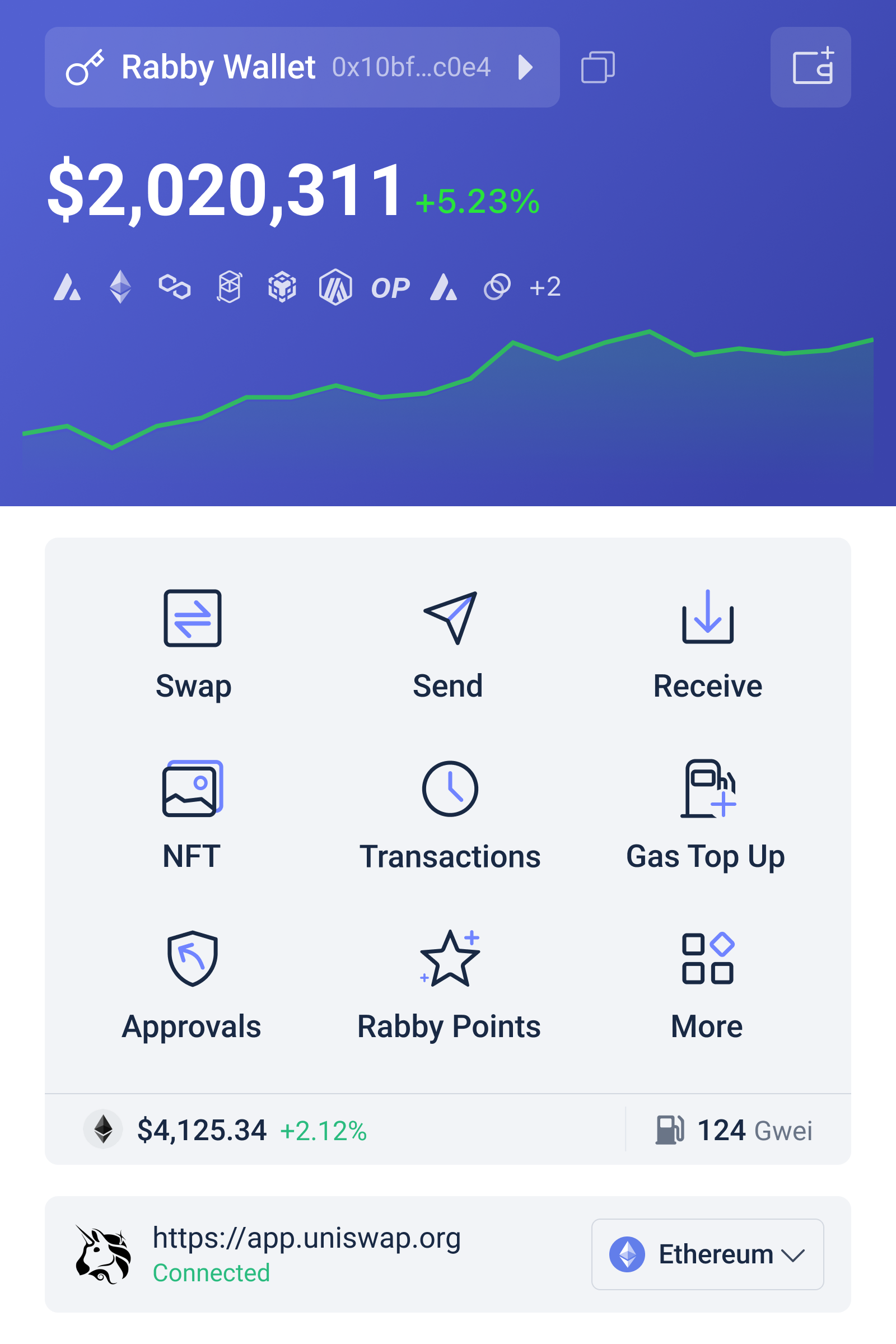
Practical tip: look for wallets that surface simulation results in a clear way, and that support multiple submission paths. It’s one reason practitioners recommend tools that combine simulation, gas-tuning, and private relays under a single UX—because context switching is where mistakes happen. For a straightforward option that offers strong transaction tooling and a developer-friendly experience, check out rabby wallet. It bundles simulation and privacy-focused features in a way that users can actually act on.
Design patterns that protocols and wallets should coordinate on
Coordination beats solo fixes. Here are a few patterns I think deserve wider adoption:
- Batch auctions for swaps — reduce ordering incentives by executing many trades at a single clearing price.
- Delay-and-batch for sensitive operations — brief windows where transactions are hidden and executed together.
- Signed intent plus execution relays — users sign the intent and relays submit to builders without exposing raw txns in the mempool.
- Better UX for slippage — explain worst-case outcomes, not just median estimates.
On one hand these patterns may introduce latency or complexity. On the other hand they meaningfully reduce extractable rent. So protocols need to think in terms of overall user welfare, not just throughput numbers.
Operational realities and trade-offs
I’ll be honest—some MEV is inevitable. The system rewards clever ordering. Trying to stamp it out entirely is unrealistic and may push costs elsewhere. But you can reduce the user-facing harms. That’s the pragmatic approach: mitigation rather than impossible elimination.
Also, not every user needs the highest level of protection. Power traders will accept slippage and speed trade-offs. Retail users prefer simplicity. Good wallet design offers sensible defaults and easy upgrades for more protection. That flexibility is underappreciated.
Finally, there’s the ecosystem question. Builders, relays, and validators are economic actors. Policies, market structures, and even regulation will shape incentives. Wallets that can adapt—expose choices, educate users, and route intelligently—will help shape healthier outcomes.
Common questions about MEV and wallets
Is MEV always bad?
Not always. Some MEV strategies, like honest arbitrage, can improve price discovery. The problem is when extraction is zero-sum and harms ordinary users—think sandwich attacks or censorship. The goal is to minimize harmful extraction while preserving beneficial market functions.
Can a wallet fully prevent MEV?
No, but a wallet can substantially reduce exposure. Through simulations, private submission, and intelligent routing, wallets can lower the probability and cost of exploitative ordering. Combining wallet measures with protocol-level batching or auctioning produces the best results.
So where does that leave us? MEV is a system-level problem that requires layered defenses. Wallets are the immediate user touchpoint and can make a real difference. Protocols and validators play their part too. The most practical path forward is pragmatic: ship protections that reduce harm, educate users about trade-offs, and let choices be explicit rather than hidden.
I’m biased toward tools that make those trade-offs visible and actionable. That transparency is the difference between a wallet that just signs transactions and one that actually protects users in the messy, incentive-driven world of DeFi. It’s messy. But manageable. And worth fixing.
Okay, so check this out—I’ve spent more late nights than I’d like admitting poking through tx hashes. Whoa! The first time I clicked into a raw transaction I felt equal parts curiosity and mild panic. At a glance it looks like gibberish; but dig a little and the story of money, contracts, and mistakes unfolds. Initially I thought block explorers were just glorified record books, but then I realized they’re forensic tools, trading dashboards, and debugging consoles rolled into one.
Here’s what bugs me about casual users: they treat on-chain data like a black box. Seriously? You can see who moved funds, when, and often why (if you read logs). My instinct said people would care more about transparency, though actually they just want quick reassurance: “Did my swap go through?” This guide is for that person — the one who wants clarity without getting lost in hex.
Start simple. Hmm… paste your tx hash into the search bar and hit enter. The interface returns a transaction page that lists status, block height, gas used, gas price, and the raw input data. That’s the meat; it tells you whether a contract call succeeded and which token transfers happened internally (often invisible elsewhere).
Short note: not all transfers are obvious. Wow! Token transfers can be emitted as logs, internal value transfers, or hidden behind contract mechanisms. On one hand you get an immediate “Success” flag; on the other hand you might still be missing the token approvals or slippage footprints if you don’t inspect logs. So yeah, it pays to scroll.
Now, the explorer isn’t only for transactions. It’s a window into smart contracts, token holders, and analytics. Okay, so check this out—when you open a verified contract you get source code, ABI, and read/write tabs. That lets you call public view functions or submit transactions directly from the UI (if you connect a wallet). I’m biased toward on-chain verification, because it cuts down on impostor contracts and gives you meaningful context before interacting.

How to read a transaction like a pro
First look at the status. If it failed, error traces and revert messages (when available) are your friend. Second, check the “To” and “From” addresses — is the target a contract or an EOA? Third, inspect internal transactions; these reveal value movements that don’t appear as token transfers. Fourth, read the logs — they often include Transfer events that map to token movements and custom events that explain state changes. Fifth, verify gas usage and gas price to understand if a transaction was frontrun or just inefficient.
I’ll be honest: sometimes the logs are messy. Somethin’ about event naming is inconsistent across projects. Double-check token decimals, too. If you forget that a token uses 6 decimals instead of 18 you will misread balances and get spooked. Been there. Twice.
On the practical side, use the “Token Transfers” tab to see ERC-20 movements. The “Internal Txns” tab will show you ETH (or BNB) flows created by contract execution. And the “Logs” tab is where the real story is often told — approvals, swaps, liquidity adds, you name it. If you’re verifying a token claim or tracking vesting, these tabs are indispensable.
Pro tip: bookmark addresses you care about and check their “Transactions” lists for patterns. Seriously? Yes — repeated small transfers, periodic payouts, or a sudden spike in activity can all be early signals. For teams, watching contract creator addresses helps detect rug-pull behavior before funds evaporate. And if you’re a dev, the “Read Contract” and “Write Contract” tabs let you sanity-check state variables without spinning up a local node.
Advanced uses: events, APIs, and analytics
Want automation? Use the explorer’s API to fetch tx details, token supply, and balance snapshots. This is how dashboards are built. Initially I thought building a monitoring bot would be tedious, but then I realized most of the heavy lifting is already indexed for you. So you can poll endpoints, parse logs, and trigger alerts for suspicious activity.
On-chain explorers also give you token holder distribution charts and rich lists. These visualizations are great for spotting concentration risk — when a handful of wallets own most of the supply. On one hand that might be legitimate (team allocations), though on the other hand it often correlates with price fragility. Use the holder breakdown to inform risk decisions.
Another advanced trick: follow contract creation txs. That often reveals which factory or router minted a token. If you’re trying to map a DeFi flow (swap -> addLiquidity -> mint LP), tracing the creation path helps reconstruct the user’s journey. It’s like being a detective, reading footprints in sand that only persist on-chain.
Okay, small tangent (oh, and by the way…) — sometimes explorers lag during heavy network load. That’s when patience and cross-checking matter. If a transaction is pending, check mempool explorers or re-broadcast options via your wallet. Also note that gas estimation can mislead; when in doubt, check recent block gas prices to set a competitive fee.
One more hands-on practice: use the “Analytics” or “Charts” sections to look at daily tx counts, gas usage, and contract creation rates. These macro signals tell you whether the chain is heating up or cooling off. In the US, we watch those trends like weather forecasts — they guide whether it’s a good time to deploy new contracts or hedge liquidity.
Where to go next — a recommendation
If you want a friendly yet powerful interface for all of the above, try the bnb chain explorer. It stitches together tx lookups, contract verification, and token data in one place, so you can move from click to conclusion quickly. I’m not saying it’s perfect; some UX flows could be smoother and the search can be picky, but overall it’s the tool I default to when debugging or validating activity.
There’s real power in being able to show a timestamped, immutable trail to someone skeptical about a payment or a token event. Use it for audits, for customer support, or for your own peace of mind. And if you build tooling on top of those results, remember to cache responsibly — you don’t want to hammer the endpoints and unintentionally DOS your own dashboard.
FAQ
Q: What if a transaction shows “Success” but my token balance didn’t change?
A: Check logs and internal txns. Some contracts wrap transfers differently or emit events without transferring tokens if conditions aren’t met. Also confirm token decimals and whether the contract performs a mint/burn instead of a transfer.
Q: How can I verify a contract is the legit project contract?
A: Look for verified source code, check creator addresses, and cross-reference on social channels. Verified contracts show readable source and ABI in the explorer; that makes interaction far safer. I’m biased, but verification matters — a lot.
Q: Is there a way to get alerted about big movements?
A: Yes. Use the explorer API or third-party monitoring tools to watch addresses and tokens. Set thresholds for transfers and get push or webhook alerts when they trigger. It saves time and can prevent nasty surprises.






-
Política Bahía6 años hace
Meneses: “Somos el gobierno que más obras ha hecho”
-
Destacado3 años hace
“Nos robaron hasta el 25 de mayo”, sostuvo Uset y apuntó contra el Gobierno Nacional
-

 Destacado3 años hace
El Liberalismo se alista con presencia plena en los 22 distritos de la sección
-
 General6 años hace
Por dónde y qué días pasan los camiones recolectores de basura
-

 Destacado3 años hace
El gobernador se reunió con Osvaldo Barcelona, presidente de Metrogas
-

 Destacado3 años hace
Javier Milei confirmó quien será su compañera de fórmula: “Es brillante”
-
Política Bahía6 años hace
Sistema de Estacionamiento Medido y Pago
-
Coronavirus5 años hace
Horarios y recorridos del transporte público de pasajeros en Bahía