

General
Why a Simulation-First, Multi-Chain Wallet Actually Changes the Game

Whoa, this feels different.
I was in a hurry in San Francisco when a swap almost failed.
My instinct said check the simulation before confirming, but I didn’t.
Something felt off about the gas estimate and the approval pop-up looked foreign…
Initially I thought design was only cosmetic, but then I realized transaction simulation and permission controls are the actual guardrails that save users from costly mistakes when crossing multiple chains and interacting with unfamiliar dApps.
Seriously, cross-chain is messy.
Different chains mean different nonce handling, gas semantics, and token standards.
This creates failure modes and hidden costs users often miss.
A swap that looks fine on one chain can revert on another.
On one hand developers promise seamless multi-chain UX, but on the other hand many client apps still omit simulated execution traces, allowance provenance, and clear reorder risk metrics, which makes serious DeFi moves riskier for everyday users who assume the UI tells the whole story.
Hmm, simulations are underrated.
A good simulator runs the exact call graph and estimates gas and state changes for the transaction.
It can warn about reverts, token dusting, or very very ridiculous approvals before any chain fee is spent.
Developers sometimes ship half-baked simulators that omit off-chain oracle responses or MEV reordering concerns.
If wallets show detailed simulation results, including trace steps, internal calls, and a clear explanation of why a failure would occur, then users can make confident decisions rather than guessing about abstract status codes or trusting opaque heuristics that often fail in edge cases.
Really? dApp integration still feels clunky.
Deep integrations allow wallets to fetch route quotes and present gas strategies inline.
But poor integrations leak permissions, expose too many approvals, and confuse users with modal overload.
Wallets that sandbox dApps and clearly label permission scopes reduce attack surface dramatically.
When a wallet exposes session-based approvals, granular spender controls, and a simulated dry-run showing the exact token approvals and balance impacts (including ERC-20 hooks), users gain situational awareness that changes the risk equation for interacting with ambitious protocols.
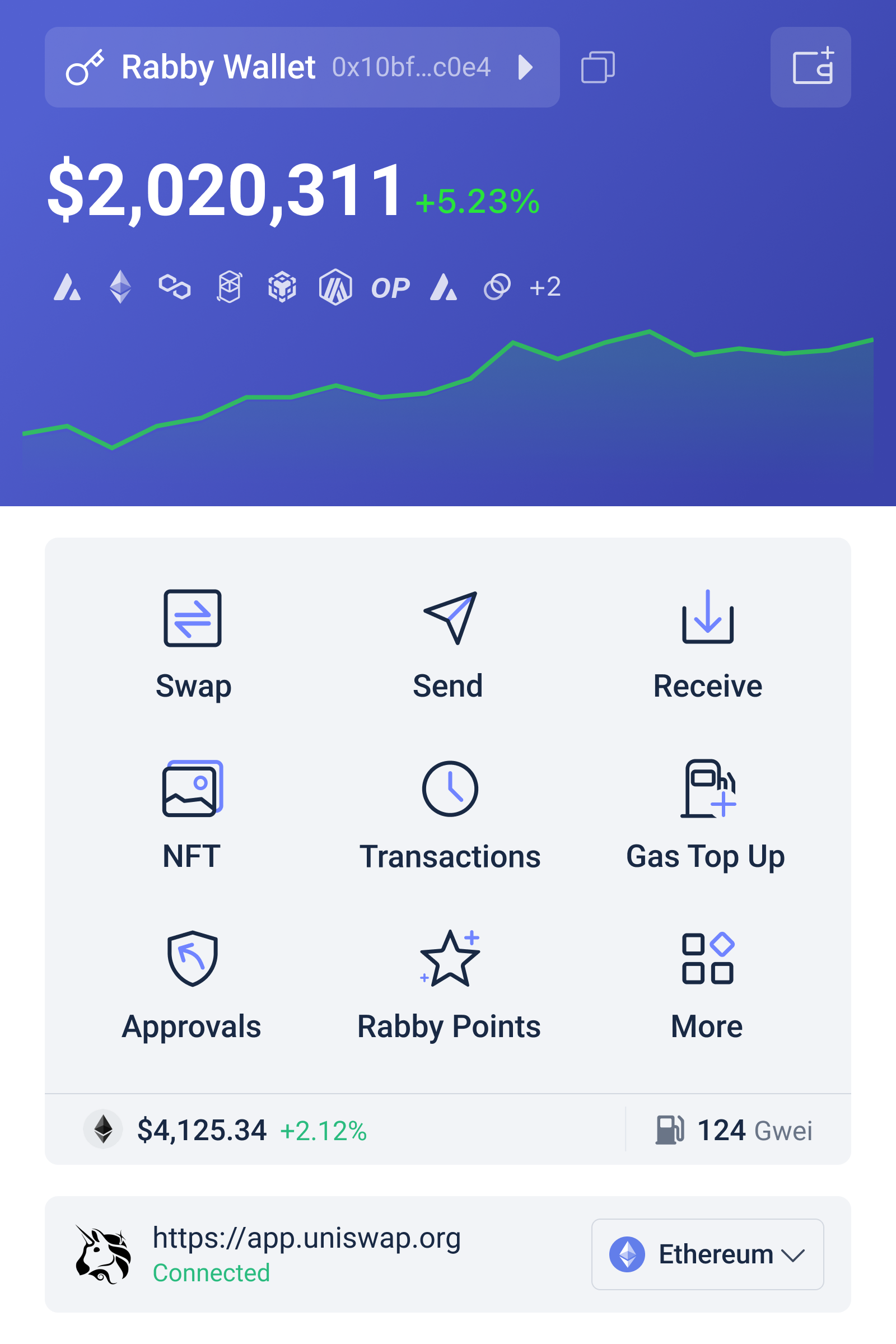
Real tools: why simulation-led wallets matter
Here’s the thing.
I switched to rabby after a near miss with a swap.
It showed a simulation trace, the reverted call, and the unexpected approval.
That moment changed how I evaluate wallets and which dApps I trust with capital.
My instinct said this tool was different because it combined multi-chain awareness, permission inspection, and simulated execution paths, and so I started redesigning my workflows to rely on deterministic previews rather than blind confirmations when bridging or routing through unknown contracts.
Whoa, approvals sneak up on you.
Unlimited allowances let protocols spend dime-sized tokens in surprising ways.
Granular approvals reduce blast radius, and session approvals limit ongoing exposure.
A wallet that surfaces the spender address, historical allowance changes, and simplifies revocation empowers non-experts.
Actually, wait—let me rephrase that: when wallets combine allowance histories with simulation of post-approval flows and show whether a spender can mint, burn, or transfer locked tokens, users can avoid stealthy drains that otherwise look invisible until it’s too late, somethin’ I’ve seen firsthand.
Hmm, gas strategies matter.
Some wallets auto-select speed but ignore miner-extracted value risks.
Simulating under different gas assumptions exposes front-running and sandwich attack vulnerabilities.
A proactive wallet that models mempool ordering and suggests protective parameters can save money and headspace.
On one hand traders want cheap inclusion, though actually they sometimes need bumped fees or timing controls to avoid being caught in reorder windows where bots will extract value from naive swaps and liquidations.
I’m biased, but session keys are underrated.
They let you sign bounded permission sets that expire after a use or time period.
This is cleaner than repeatedly clicking unlimited approvals for every new contract you encounter.
Ratcheting permissions down and revoking them from one UI is reassuring.
Something felt off about how often people grant forever allowances to browser tabs, and that recurring carelessness is exactly why wallets should default to minimal scope sessions and surface revocation controls prominently, because habit beats good intentions when you’re in a hurry.
Really, devs need better primitives.
Wallet APIs that return simulation receipts enable richer UX and safer dApp flows.
If a dApp can show a simulation fingerprint, users can compare expected effects with wallet-provided traces.
That alignment reduces trust asymmetry and gives wallets a chance to intercept risky behaviors client-side.
Initially I thought that would slow innovation, but then I realized these guardrails encourage experimentation by making failures less punishing, and that tradeoff is worth it for building sustainable DeFi when newcomers are just learning the terrain.
Wow, change is possible.
We can design wallets that nudge safer defaults and explain tradeoffs clearly.
A mental model that includes simulation, permission audit, and session keys beats reactive patches.
This matters for builders and end-users who care about long-term capital safety.
I’ll be honest—I’m not 100% sure every feature will scale perfectly across dozens of chains and exotic L2s, but my working belief is that simulation-first wallets with deliberate dApp integration, granular permissions, and accessible revocation tooling will reduce avoidable losses and make onramps friendlier for the next wave of users who otherwise get burned by UI illusions and hidden mechanics.
FAQ
What is transaction simulation and why should I trust it?
Here’s the thing.
A transaction simulation replays the intended call locally against a fork of chain state.
It predicts reverts, state deltas, and gas consumption before broadcast.
Quality simulators include oracle responses, mempool effects, and internal call traces.
When simulations are paired with wallet-native permissions inspection and clear UI explanations, they give you a deterministic preview that materially reduces the chance you’ll lose funds to bad routes, approvals, or mempool-based attacks, although no system is perfect and edge cases still exist.
How do wallets integrate with dApps safely?
Really, it’s about safer integration.
Best practice is session keys and minimal-scoped approvals that expire.
Next, dApps should surface simulation receipts and let users inspect predicted effects.
Wallets that enforce UI constraints and offer one-click revocation reduce long-term risk.
On one hand this requires more engineering from both wallets and dApps, but on the other hand the payoff is fewer hacks and less capital loss, which helps the ecosystem grow sustainably even as attackers keep innovating.
General
Erleben Sie den Nervenkitzel von AllySpin Casino: Entdecken Sie spannende Belohnungen und ultimatigen Spielspaß






-
Política Bahía7 años hace
Meneses: “Somos el gobierno que más obras ha hecho”
-
Destacado3 años hace
“Nos robaron hasta el 25 de mayo”, sostuvo Uset y apuntó contra el Gobierno Nacional
-

 Destacado3 años hace
El Liberalismo se alista con presencia plena en los 22 distritos de la sección
-
 General6 años hace
Por dónde y qué días pasan los camiones recolectores de basura
-

 Destacado3 años hace
El gobernador se reunió con Osvaldo Barcelona, presidente de Metrogas
-
Política Bahía6 años hace
Sistema de Estacionamiento Medido y Pago
-

 Destacado3 años hace
Javier Milei confirmó quien será su compañera de fórmula: “Es brillante”
-
Coronavirus6 años hace
Horarios y recorridos del transporte público de pasajeros en Bahía