

General
Why I Keep Coming Back to Exodus: A Practical Take on a Pretty Multi-Currency Mobile Wallet

Whoa!
Okay, so check this out—I’ve tried a handful of mobile wallets over the past few years and something about Exodus keeps pulling me back.
At first glance it’s just pretty.
But then you poke around and realize the UI choices actually solve small, annoying problems that add up.
My instinct said “nice design,” though actually, wait—there’s more under the hood than just pixels and color.
Here’s what bugs me about most wallets: they’re either glorified address books or clunky power tools.
Exodus manages a nicer middle ground, and seriously, that balance matters when you’re juggling ten assets on your phone.
Initially I thought a beautiful interface was mostly cosmetic, but then realized that clearer flows reduce mistakes—like sending the wrong token to a chain that won’t accept it—and that saved me time and stress.
Something felt off about wallets that hide exchange rates or bury swap fees; Exodus shows both in a way that doesn’t scream “look at me.”
I’m biased, but usability is security, and design decisions matter.
Short story: it supports a wide range of coins.
Longer story: it does so while keeping the experience coherent for non-technical users, which is harder than it sounds because crypto is messy by default.
On one hand you want fast access and low friction; on the other hand you want clear controls and confirmations to avoid human error.
Exodus leans toward clarity without making everything a menu maze, though there are trade-offs—custody choices for example, that we should unpack.
Also, oh, and by the way… their portfolio visuals are oddly satisfying, which I admit is part of the draw.
:fill(white):max_bytes(150000):strip_icc()/Exodus-0c4aa171f9fd4b72b9bef248c7036f8d.jpg)
What Exodus Gets Right (and Where It Stumbles)
Wow!
First: multi-currency support.
Exodus covers major chains and a ton of tokens—BTC, ETH, stablecoins, and many smaller projects—so you can keep most of your portfolio in one place.
Second: the in-app exchange and swap flows are simple enough that my dad could do it without a panic call, though he would still ask questions.
Third: backups and the recovery phrase flow are straightforward, but remember—if you lose that phrase, it’s gone. Really gone.
On security: Exodus is a non-custodial wallet, which means you keep your private keys locally.
That matters because custody equals control.
However, non-custodial doesn’t equal flawless; mobile devices are vulnerable, and you must secure the device itself.
I recommend combining a hardware wallet with Exodus for larger balances—yep, it supports hardware integration, and that is a smart move for people with real stakes.
I’m not 100% certain about every edge case, but if your holdings are significant, think of Exodus as your friendly interface, not your cold vault.
Fees are present—exchanges, network fees, and built-in spread—but Exodus is transparent about many of them.
On one hand, some services hide markups in poor UX; on the other, Exodus surfaces exchange quotes in ways that make comparison easier.
That said, power users might find decentralized swapping via dedicated DEXs cheaper for some trades, though it’s less convenient.
My working rule: use Exodus for everyday management and small swaps, and go direct to specialized platforms for big, low-fee trades.
There’s a small tension there that I accept because convenience is valuable to me.
Functionally, the portfolio overview is excellent.
You can see asset allocation at a glance, track price changes, and export basic transaction history.
This isn’t advanced tax software, though—so for year-end reporting you’ll likely plug exports into a separate tool.
Also, customer support is responsive for common issues, but complex blockchain-specific problems can still require patience and external research.
Not perfect, but human-friendly.
Real-World Use Cases: How I Use Exodus on My Phone
Seriously? Yes—it’s my go-to for travel and small trading.
I keep a mix of stablecoins and a couple speculative bets on the app for quick moves.
When I’m traveling I like that I can check balances, send a small amount, or convert tokens without juggling multiple logins or devices.
Initially I worried about doing anything meaningful on a phone, but repeated use has shown me that with reasonable precautions it’s fine for day-to-day crypto tasks.
On longer trips I pair it with a hardware key for the big stuff, and that combo works well.
Another scenario: onboarding others.
I helped a friend download Exodus and set up a recovery phrase while grabbing coffee.
They were relieved that the steps were clear, and even commented on the design.
That moment felt like an “aha”: a wallet can be both safe enough and approachable.
Though, honestly, there were caveats—my friend kept the phrase on a screenshot first (nope) and I had to nudge them into writing it down securely.
Old habits die hard.
FAQ
Is Exodus safe for beginners?
Yes, for basic usage.
It’s non-custodial and user-friendly, which makes it a solid starting point.
But like any wallet, safety depends on device hygiene, secure backups, and cautious behavior when approving transactions.
If you’re handling substantial funds, add a hardware wallet for better protection.
Can I manage many currencies with Exodus?
Absolutely.
It supports dozens of blockchains and hundreds of tokens, with an interface that keeps things tidy.
If you trade frequently across niche chains, double-check specific token compatibility first.
Where can I learn more or download it?
Check out this page for details and downloads: https://sites.google.com/walletcryptoextension.com/exodus-wallet/
Okay, wrap-up without being a robotic summary—I’m curious and skeptical by default, and Exodus keeps earning trust through consistent, thoughtful UX updates.
On one hand, no wallet is a silver bullet; on the other, Exodus nails the day-to-day experience for a lot of users.
My advice: try it on mobile for small amounts, learn the recovery flow well, and consider hardware pairing if your holdings grow.
Something about a wallet that feels like a polished app yet respects crypto’s rough edges appeals to me.
I’m not trying to sell you on it—just sharing what worked after a lot of trial and error, and yeah, I still use it pretty often.
The fascinating world of celebrity gambling Uncovering their most unpredictable bets
The Allure of High-Stakes Gambling
In the glitzy realm of celebrities, gambling has become an intriguing pastime that often transcends mere entertainment. High-stakes betting attracts A-listers who thrive on adrenaline and the possibility of winning vast sums of money. Whether it’s poker, blackjack, or sports betting, celebrities immerse themselves in a world where the stakes are as high as their fame, often making headlines for their audacious bets. For those interested in exploring online options, there’s always casino crazystar, a place where excitement meets convenience, too.

This obsession with gambling can be attributed to the thrill of risk-taking. Many celebrities, accustomed to the limelight, find solace in the unpredictable nature of betting. The desire to win big is often paralleled by a sense of escapism that the gambling environment provides, further fueling their attraction to this unpredictable world.
Fabled Bets: Legendary Wagers of the Stars
Among the celebrities known for their unpredictable bets, stories of outrageous wagers abound. For instance, one famous actor once bet an extravagant amount on a single hand of blackjack during a high-profile charity event. This gamble not only showcased his willingness to take risks but also highlighted the blurred lines between philanthropy and personal thrill.
Moreover, sports betting has seen celebrities placing monumental wagers on games, sometimes leading to jaw-dropping victories or devastating losses. These instances often capture public attention, painting a picture of celebrities as both risk-takers and, at times, vulnerable figures in a high-stakes game.
The Psychology Behind Gambling Addiction
Delving deeper into the celebrity gambling scene reveals the complex psychology of gambling addiction. Celebrities, facing immense pressure and scrutiny, may find themselves drawn to gambling as a coping mechanism. The excitement and potential rewards can momentarily overshadow the risks, leading to unpredictable betting behaviors.
For some, this addiction spirals into a perilous cycle of chasing losses, where the initial thrill transforms into a compulsive need to gamble. Understanding the psychological factors at play is crucial, as it sheds light on why even the most successful individuals can fall prey to the traps of gambling.
Public Reaction and Media Frenzy
When celebrities engage in gambling, the public’s reaction is often a mix of fascination and judgment. The media fervently covers these stories, amplifying both the successes and the failures of high-profile gamblers. This scrutiny can lead to a double-edged sword, as it may provide a sense of accountability for some while exacerbating the pressure on others.
Furthermore, the sensationalized narratives surrounding celebrity gambling can influence public perceptions of gambling itself. This relationship raises ethical questions about how society views gambling in the context of fame and fortune, often trivializing the serious implications of addiction.

CrazyStar Casino: A Safe Haven for Gaming Enthusiasts
For those intrigued by the world of gambling, CrazyStar Casino offers an exceptional online gaming experience. With a diverse array of over 2,600 games, including slots, table games, and live casino options, this platform caters to both novice and seasoned players. The emphasis on a secure gaming environment ensures that players can enjoy their favorite games without concern.
Moreover, CrazyStar Casino provides generous promotions, such as a substantial welcome bonus and free spins, making it an enticing choice for new members. With a commitment to responsible gaming and dedicated customer support, CrazyStar stands as a premier destination for anyone looking to delve into the fascinating world of gambling, just like the celebrities they admire.
Hur hanterar du din ekonomi effektivt när du spelar
Skapa en budget för spelande
En av de mest effektiva metoderna för att hantera din ekonomi när du spelar är att skapa en tydlig budget. Genom att sätta en fast gräns för hur mycket du är villig att spendera på spel kan du förhindra att du går över dina ekonomiska gränser. Det är också viktigt att, när du tänker på spelalternativ, överväga att använda en casino utan spelpaus för att säkerställa att du spelar på ett sätt som gynnar din plånbok. Denna budget bör vara realistisk och anpassad efter din ekonomiska situation.
När du har satt din budget, håll dig till den. Det kan vara frestande att överskrida gränserna för att försöka vinna tillbaka förlorade pengar, men det kan leda till större ekonomiska problem. Genom att konsekvent följa din budget skyddar du inte bara din ekonomi, utan också din mentala hälsa.
Ha kontroll över spelandet
Att ha kontroll över ditt spelande är avgörande för att hantera din ekonomi effektivt. Sätt upp regler för hur länge och hur ofta du spelar. Genom att begränsa din speltid kan du bättre övervaka hur mycket pengar du spenderar. Det är också en bra idé att använda funktioner som tidsgränser om de finns tillgängliga på plattformen du använder.
Reflektera över ditt spelande och dess påverkan på din ekonomi. Om du märker att spelet börjar påverka din budget eller ditt liv negativt, överväg att ta en paus. Att vara medveten om dina spelvanor är en viktig del av ansvarsfullt spelande och ekonomisk förvaltning.
Lär dig om odds och risker
Att förstå odds och risker är centralt för att kunna fatta informerade beslut när du spelar. Ju mer du vet om de spel du deltar i, desto bättre kan du bedöma dina insatser. Det finns många resurser tillgängliga som kan hjälpa dig att förstå dessa aspekter, vilket kan leda till mer strategiska spelval.
Genom att känna till de statistiska sannolikheterna kan du också avgöra vilka spel som är mer riskabla och vilka som ger bättre chanser att vinna. Detta kan hjälpa dig att göra mer medvetna val och därmed skydda din ekonomi.
Utnyttja bonusar och erbjudanden
De flesta spelplattformar erbjuder olika bonusar och kampanjer som kan hjälpa dig att maximera din spelbudget. Genom att utnyttja dessa erbjudanden kan du få mer värde för dina pengar, vilket ger dig möjlighet att spela längre utan att överskrida din budget. Var dock alltid noga med att läsa villkoren för dessa erbjudanden.
Att använda bonusar klokt kan ge dig en fördel, men var medveten om att vissa bonusar kan medföra krav på insatser som kan vara svåra att uppfylla. Se till att du alltid spelar ansvarsfullt och att du förstår villkoren innan du tar del av några erbjudanden.
En trygg och säker spelupplevelse
Denna webbplats strävar efter att skapa en trygg och säker miljö för alla användare som vill spela. Genom att implementera avancerad säkerhetsteknik skyddas dina personliga och finansiella uppgifter, vilket ger dig en tryggare spelupplevelse. Vi prioriterar dina behov och säkerhet, vilket gör att du kan fokusera på att njuta av ditt spelande.
Om du har frågor eller behöver hjälp med din ekonomi i samband med spelande, finns det resurser tillgängliga för att stödja dig. Vårt mål är att ge dig en effektiv och säker spelupplevelse, så att du kan spela ansvarigt och njuta av varje stund.
Känslomässiga effekter av spelande Hur påverkas vårt psyke
Spelandets psykologi och dess påverkan
Spelande har en djupgående påverkan på människors psyke och känslor. Det handlar inte bara om pengar, utan också om hur spelet kan skapa en känsla av spänning och eufori. Många spelare upplever en adrenalinkick när de satsar, vilket kan leda till en tillfällig känsla av lycka. För den som vill bredda sina spelalternativ finns det också möjligheter att utforska casino utan svensk licens, vilket ger en ökad frihet att spela utan begränsningar.

Å andra sidan finns det en mörkare sida av spelande, där känslor av ångest och stress kan överväldiga spelaren. Förlust av pengar kan leda till känslor av misslyckande och skuld, vilket påverkar både det mentala och emotionella tillståndet. Det är viktigt att förstå dessa känslor och hur de kan påverka individens livskvalitet.
Sociala relationer och spelande
Spelande kan också påverka sociala relationer. Många spelare tenderar att isolera sig från sina vänner och familj när de blir djupt involverade i spelandet. Denna isolering kan leda till bristande kommunikation och känslomässiga avstånd mellan individer, vilket kan orsaka konflikter och missförstånd.
I vissa fall kan spelande även bli en del av sociala aktiviteter, där vänner samlas för att spela tillsammans. Detta kan skapa gemenskap och stärka vänskapsband, men det finns alltid en risk att det övergår till ett problematiskt beteende om det inte hanteras på rätt sätt.
Känslomässiga konsekvenser av spelberoende
Spelberoende är en allvarlig fråga som kan få betydande känslomässiga konsekvenser. Individer som lider av spelberoende kan uppleva stark ångest, depression och till och med självmordstankar. Den känslomässiga berg-och-dalbanan som följer med spelande kan vara förödande för den drabbade och deras närstående.
Behandlingen av spelberoende kräver ofta professionell hjälp och stöd från familj och vänner. Känslan av skam och skuld kan hindra spelare från att söka hjälp, vilket gör det viktigt att skapa en öppen dialog om problemet.
Återhämtning och känslomässigt välbefinnande
Återhämtning från spelberoende är en lång och utmanande process, men den är möjlig. Att förstå de känslomässiga triggers som driver spelandet kan vara en avgörande del av återhämtningsprocessen. Det handlar om att lära sig hantera känslor på ett hälsosamt sätt och att finna nya copingmekanismer.
Att engagera sig i aktiviteter som främjar välbefinnande, som träning eller att spendera tid med nära och kära, kan hjälpa till att bygga upp en mer positiv känslomässig grund. Med tiden kan spelaren återfå kontrollen över sina känslor och sitt liv.
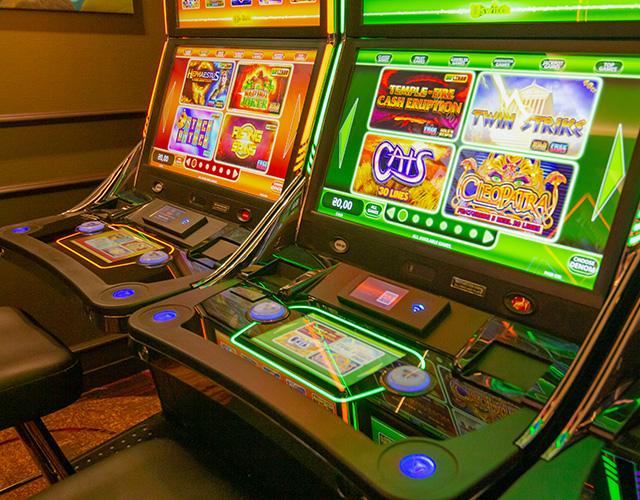
Vår webbplats och dess resurser
Vår webbplats erbjuder omfattande information och resurser för dem som söker hjälp med spelande och dess känslomässiga effekter. Vi strävar efter att skapa en trygg plats där människor kan lära sig mer om spelberoende och få stöd för att hantera sina känslor och beteenden.
Genom att erbjuda insikter och vägledning hoppas vi kunna hjälpa individer att förstå sin situation bättre och uppmuntra dem att söka den hjälp de behöver för att återfå balansen i sina liv.





-
Política Bahía7 años hace
Meneses: “Somos el gobierno que más obras ha hecho”
-
Destacado3 años hace
“Nos robaron hasta el 25 de mayo”, sostuvo Uset y apuntó contra el Gobierno Nacional
-

 Destacado3 años hace
El Liberalismo se alista con presencia plena en los 22 distritos de la sección
-
 General6 años hace
Por dónde y qué días pasan los camiones recolectores de basura
-

 Destacado3 años hace
El gobernador se reunió con Osvaldo Barcelona, presidente de Metrogas
-

 Destacado3 años hace
Javier Milei confirmó quien será su compañera de fórmula: “Es brillante”
-
Política Bahía6 años hace
Sistema de Estacionamiento Medido y Pago
-
Coronavirus6 años hace
Horarios y recorridos del transporte público de pasajeros en Bahía